-
Shrink It Down! How Audacity Can Save You from Monster Audio & Video Files

Ever record an amazing interview, lecture, or video, only to find the file size is about as big as your stress level after a missed deadline? Fear not, transcription warriors and data collectors! Today, we’re introducing you to Audacity, your free and friendly audio chameleon. Audacity can shrink your audio and even video files without…
-
Truth, Trust, and Testimony: Ethical Considerations in Presenting Oral Histories
Imagine holding a key that unlocks a hidden world – a world where history isn’t just dates and names, but a tapestry woven from personal experiences. That’s the power of oral histories. But with this power comes a critical question: how do we ensure these voices from the past are presented accurately and ethically? In…
-
Voices across Time: Oral Traditions and Oral History Compared
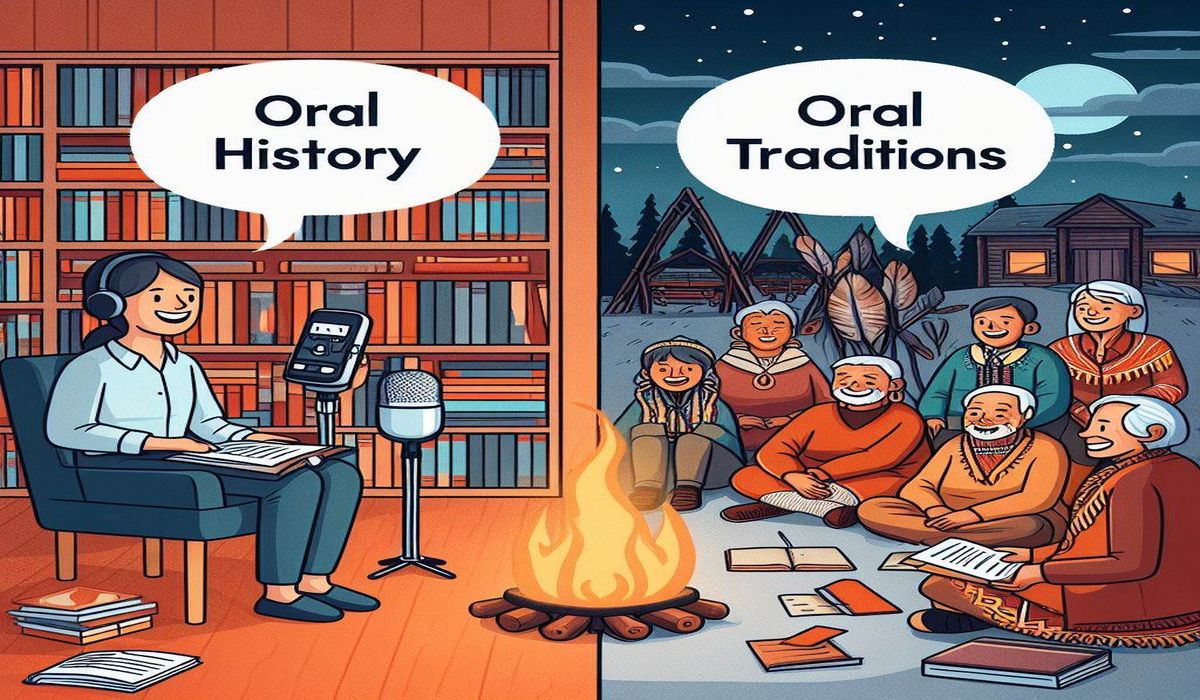
History whispers through our ancestors’ voices, carried on the breath of tradition. But have you ever wondered if all spoken accounts of the past are created equal? The answer is no! There’s a fascinating distinction between oral history and oral traditions, and understanding it unlocks a deeper appreciation for the stories passed down through generations.…
-
From Oral Traditions to Written Word: The Evolution of Oral History
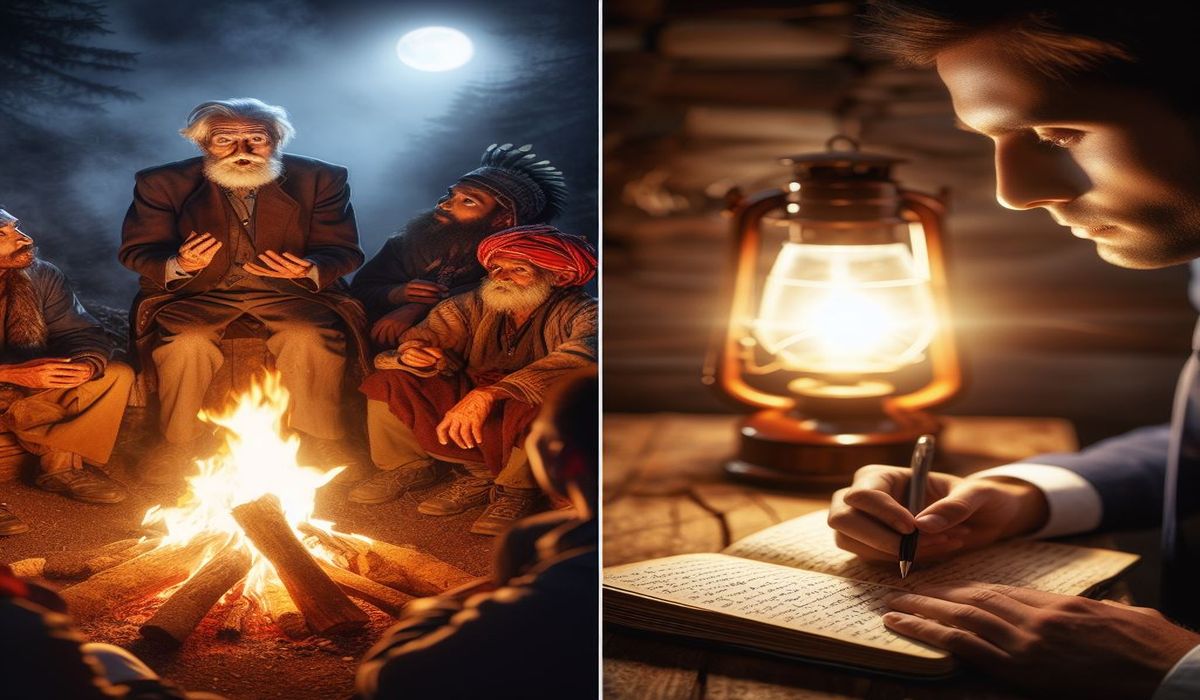
Oral traditions have been around for millennia, serving as a means of preserving history, culture, and values from one generation to the next. In the absence of written records, oral traditions relied on storytelling, songs, and poetry to pass down knowledge, beliefs, and customs. These stories were often embellished and adapted over time, reflecting the…
-
Beyond the Microphone: Who Conducts Oral History Interviews and Why It Matters
Have you ever wondered who brings history to life through recorded memories? Who sits down with individuals and communities to capture their unique stories and perspectives? The answer, oral historians. History whispers not just through grand monuments and dusty archives, but also in the intimate spaces of lived experiences. Unlocking these personal narratives is the…
-
Whispered Tales and Wobbly Memories: The Quirks of Oral History
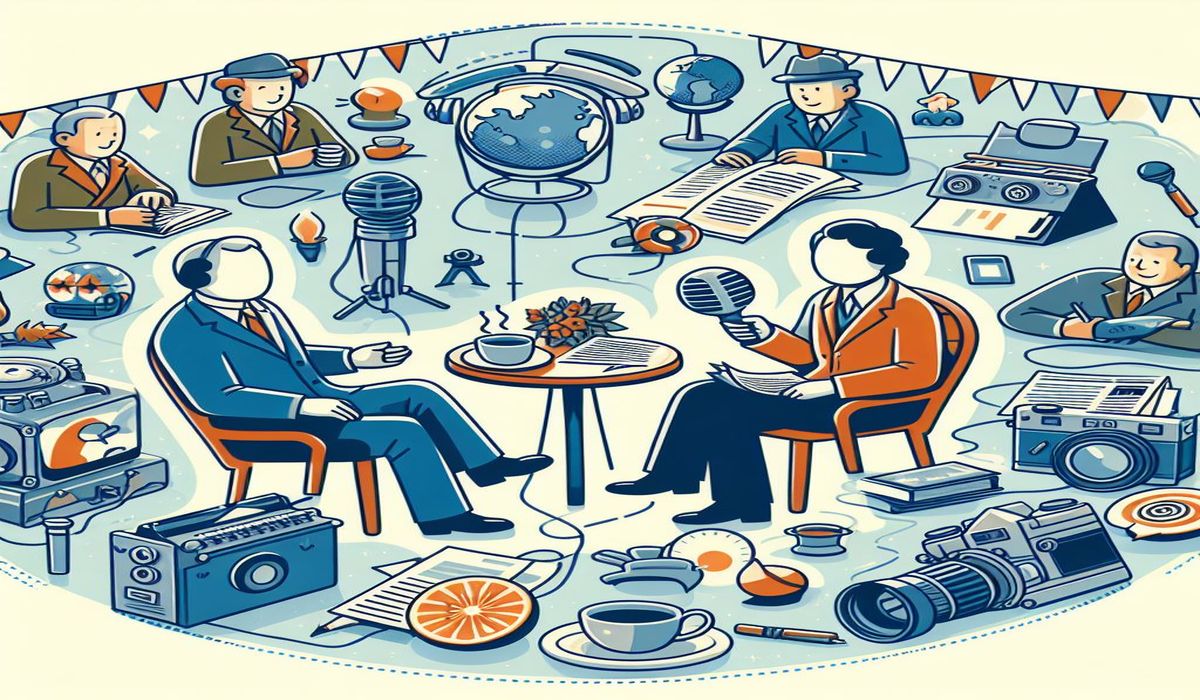
Have you ever heard a story passed down through generations, a tale whispered from grandparent to grandchild, a memory shared over steaming mugs of tea? That’s the magic of oral history – a tapestry woven from personal narratives, a window into the past seen through the eyes of those who lived it. But hold on,…
-
Memory on Mute: Tips for Handling Lapses in Oral History Interviews

Oral histories paint vivid portraits of the past, capturing the unique perspectives and experiences of individuals who lived it. But even the most vibrant memories can sometimes flicker and fade. What happens when, amidst the flow of an interview, your narrator forgets a key detail or even contradicts themselves? Don’t panic! Memory lapses are a…
-
How to Turn Your Passion for Oral History into a Career
Ever spend hours on the phone, enthralled by your grandma’s tales of the good ol’ days? Maybe you’re the friend everyone spills their secrets to. If you have a knack for getting people to open up and share their stories, then my friend, you have the golden ticket to a fascinating career in oral history!…
-
The Future of Oral History

In recent years, oral history has experienced a resurgence of interest, driven by the increasing availability of digital technology and a growing recognition of the importance of preserving the voices of marginalized communities. As we move into the future, oral history is poised to play an even more vital role in our collective understanding of…
-
Turning Interviews into Podcasts: Making Oral Histories Accessible to a Wider Audience
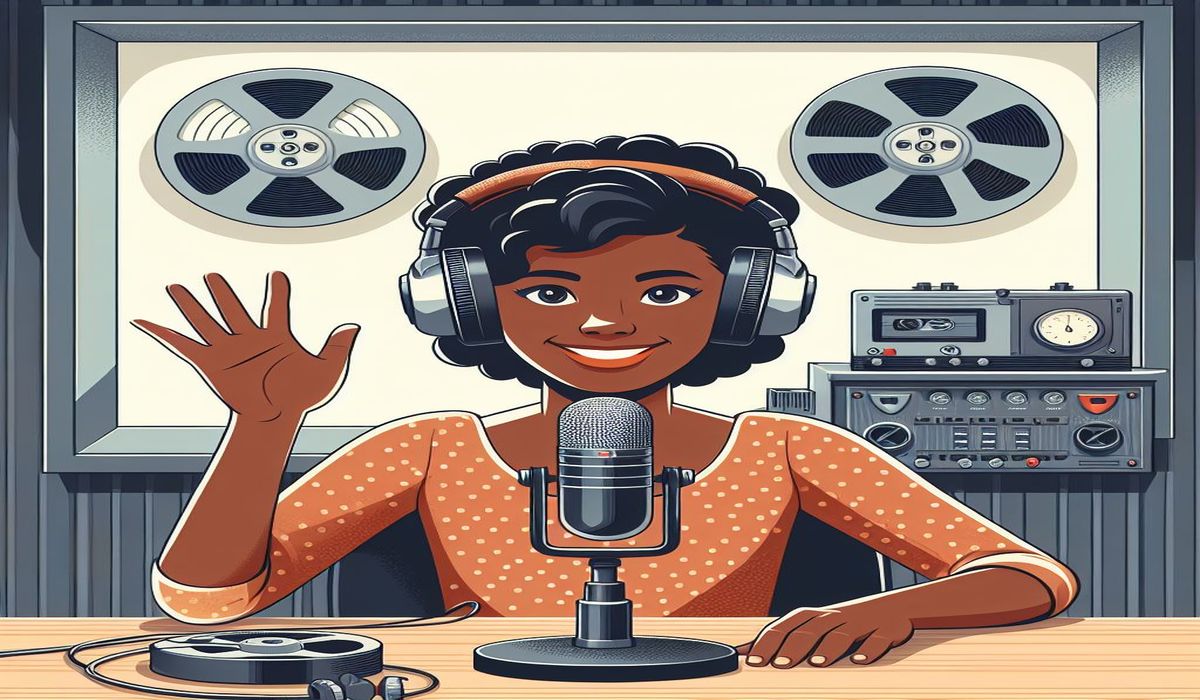
Imagine history class, but way cooler! No textbooks filled with snoozy dates. Instead, you get to listen to real people dish on what life was actually like back then. That’s the magic of oral histories. The problem? These juicy stories are often stashed away in dusty libraries, gathering cobwebs. But hey, it’s the podcast era,…