-
Oral History and Mental Health: The Healing Power of Being Heard

Some of the most important things people ever say are never written down. They are said quietly, over tea, at the end of a long day, or years after the events they describe. As we mark World Mental Health Day on October 10, it is worth asking: what happens when we finally make room for…
-
Whispers around the Fire: What Halloween Stories Teach Us about Oral History

Every October, the same thing happens. The nights grow longer, the air turns cool, and someone says, “Did you ever hear what happened in the old house at the end of our road?” Before there were horror films, podcasts, or pumpkin-spice anything, there were voices in the dark. Halloween’s oldest roots lie in Samhain, the…
-
The Blue Sky Before: What Oral History Remembers That the News Never Could, 9/11

Almost everyone who was there mentions the sky first. Not the smoke, not the sirens, not the sound no one has ever fully managed to describe, the sky. Flawless, cloudless, an ordinary blue that had no business hanging over a day like that one. It’s a strange thing to hold onto from a morning defined…
-
The Flowers Outside the Gates: What Oral History Remembers That the News Never Could
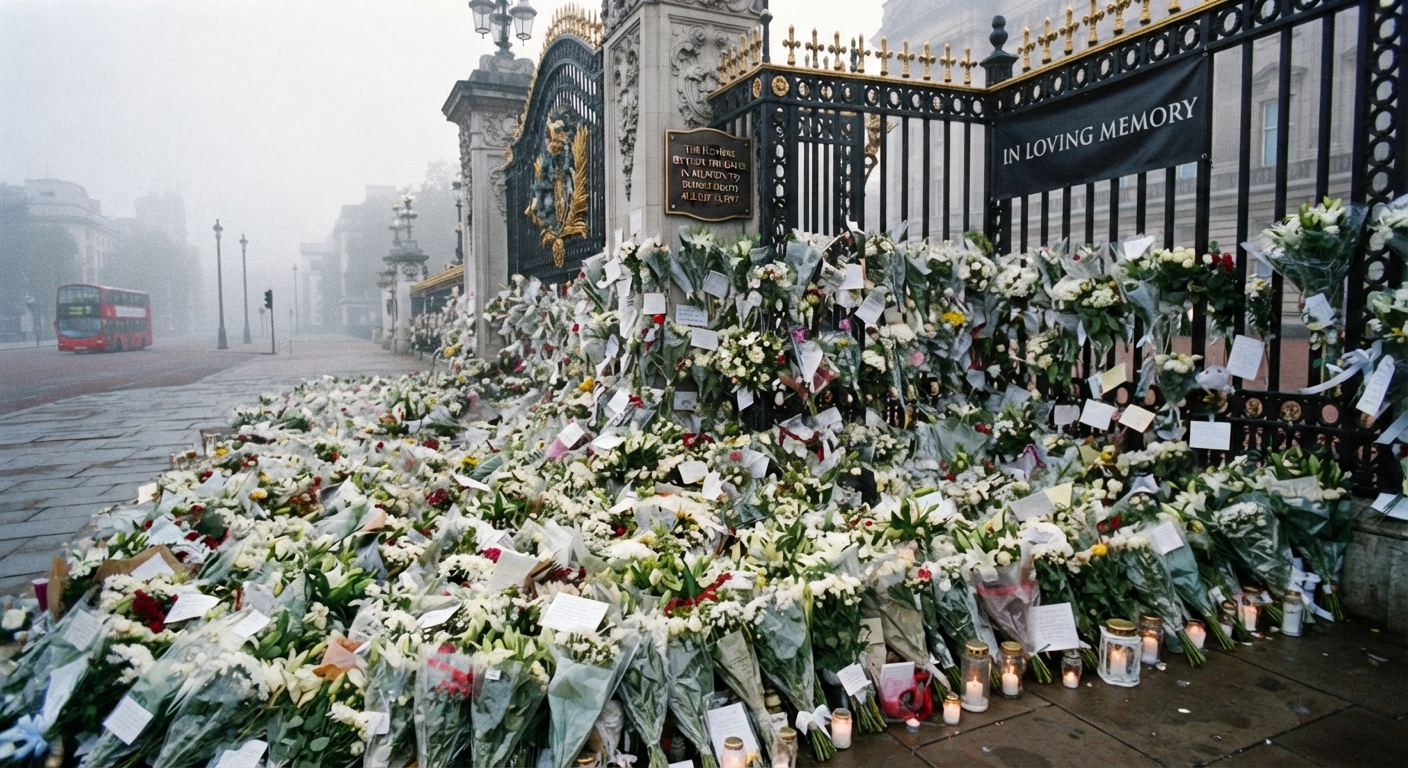
Almost everyone who was there mentions the flowers first. Not the flashbulbs, not the tears, not the strange hush that fell over a city more used to noise. The flowers. Banks of them piled six feet deep outside Kensington Palace, cellophane crinkling in the August heat, petals browning by the second morning before anyone had…
-
The Zoom H1n Era Ends: What This Means for Your Oral History Workflow
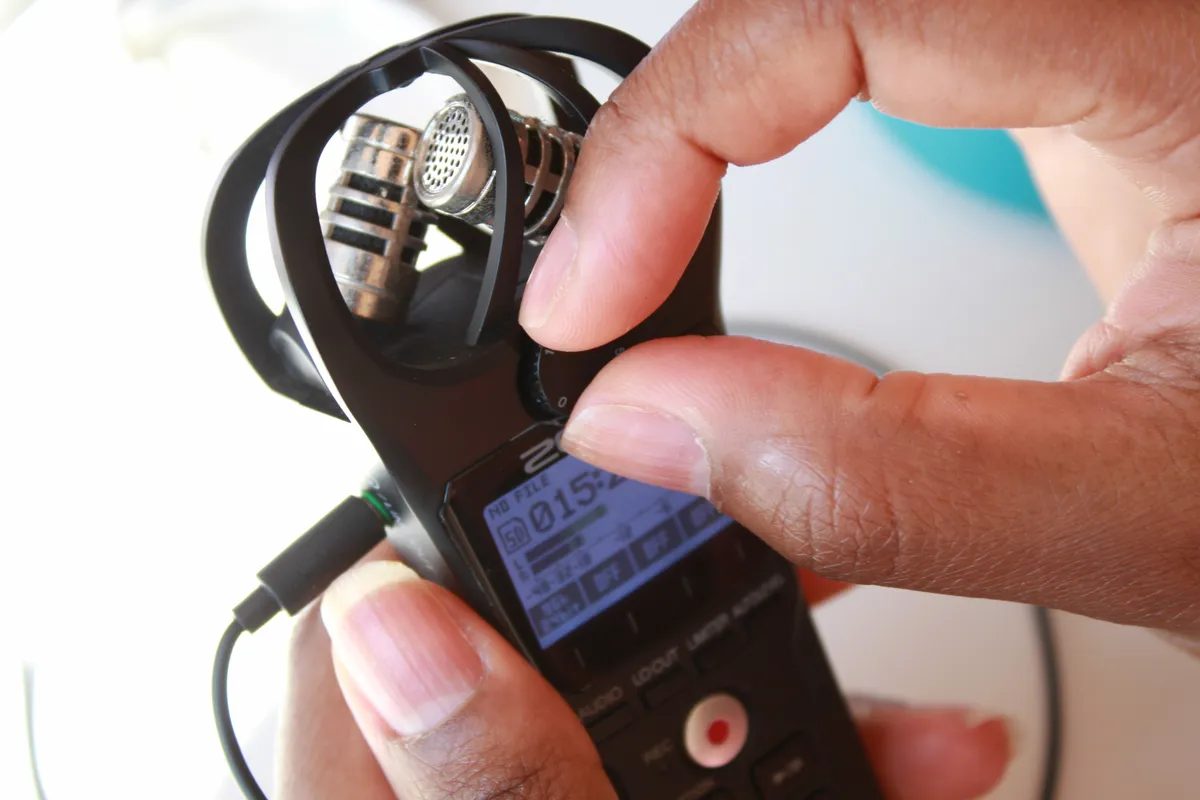
For years, the Zoom H1n has been a staple in the gear bags of oral historians, students, and independent researchers. Its compact size, intuitive layout, and reliable audio quality made it the “go-to” entry-level recorder. Recently, Zoom officially moved the H1n to their “discontinued” list, marking the end of a long-running chapter for the device.…
-
The Future of Oral History: Balancing AI Transcription with the Human Touch
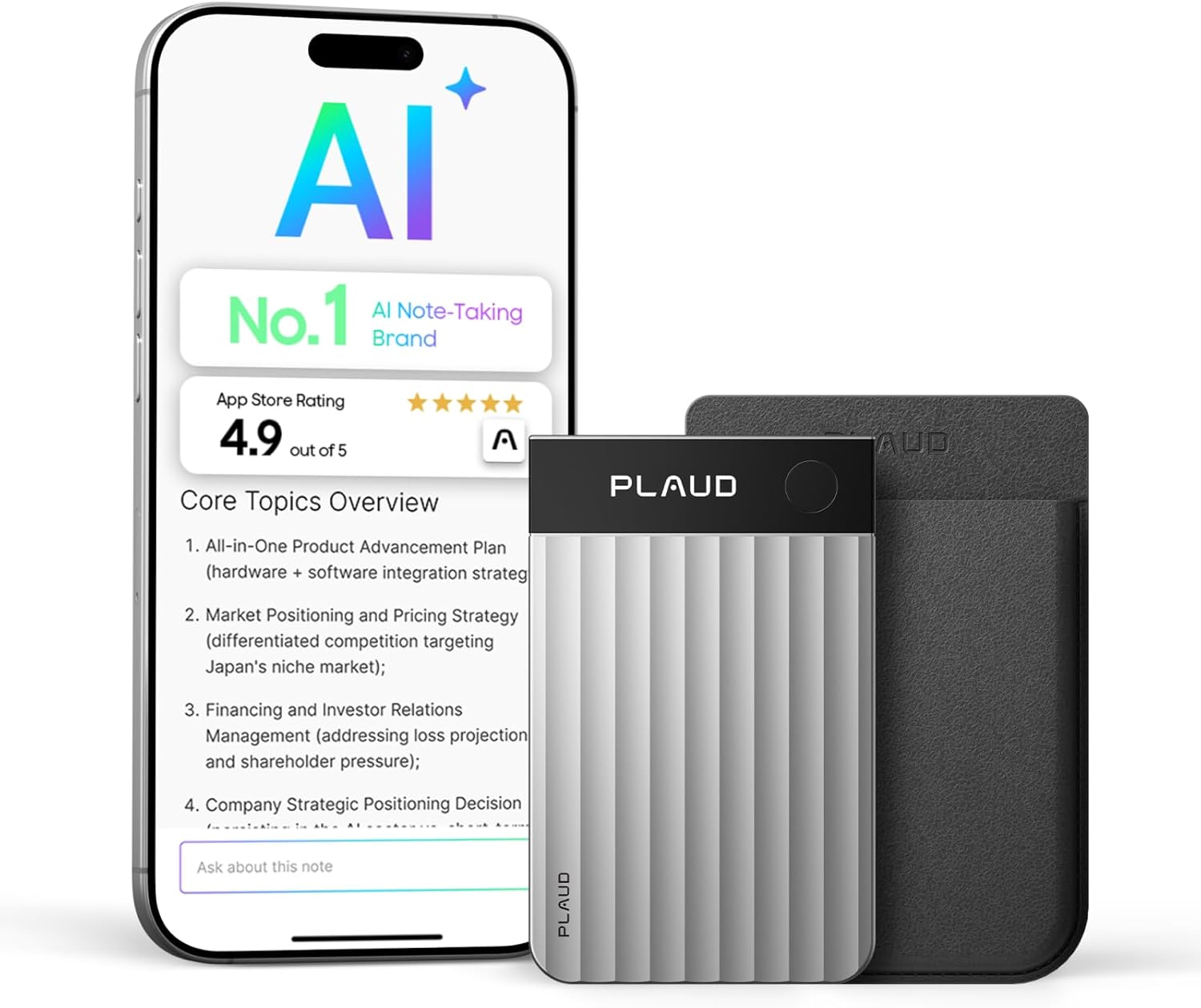
In the rapidly evolving world of digital storytelling and archival work, we are constantly discovering new ways to preserve history. You have likely heard of the recent surge in AI transcription tools designed to convert spoken word into text—platforms like Otter.ai, Rev, and Descript have certainly made their mark. While these tools offer incredible speed,…
-
The Echoes of the Summit: Why Your Story Matters

In the world of professional transcription, we often talk about accuracy, turnaround times, and data security. But when you strip away the technical requirements, the true heart of our work at Jofranlu is human connection. After fifteen years in this field, I’ve learned that a transcript is rarely just words on a page. It is…
-
Funding the Past: How to Get Your Transcription Costs Covered in Research Grants
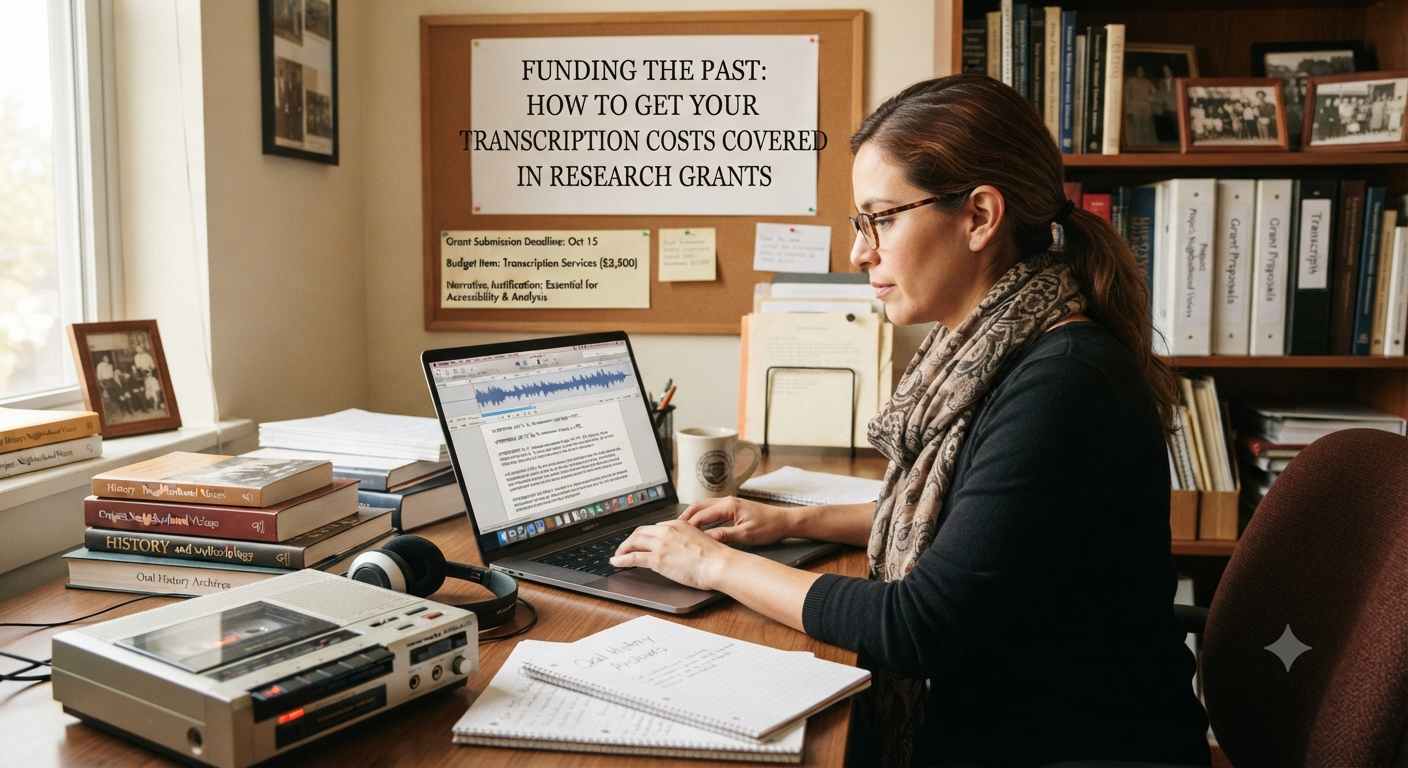
Securing a research grant is a monumental achievement, but the real work often begins after the funding is secured. One of the most common pitfalls researchers face is underestimating the time and financial resources required to turn raw audio interviews into usable, searchable, and preserved data. If your project relies on oral history, transcription is…
-
Capturing Voices: The Best AI Transcription Tools for Oral Historians (2026 Guide)
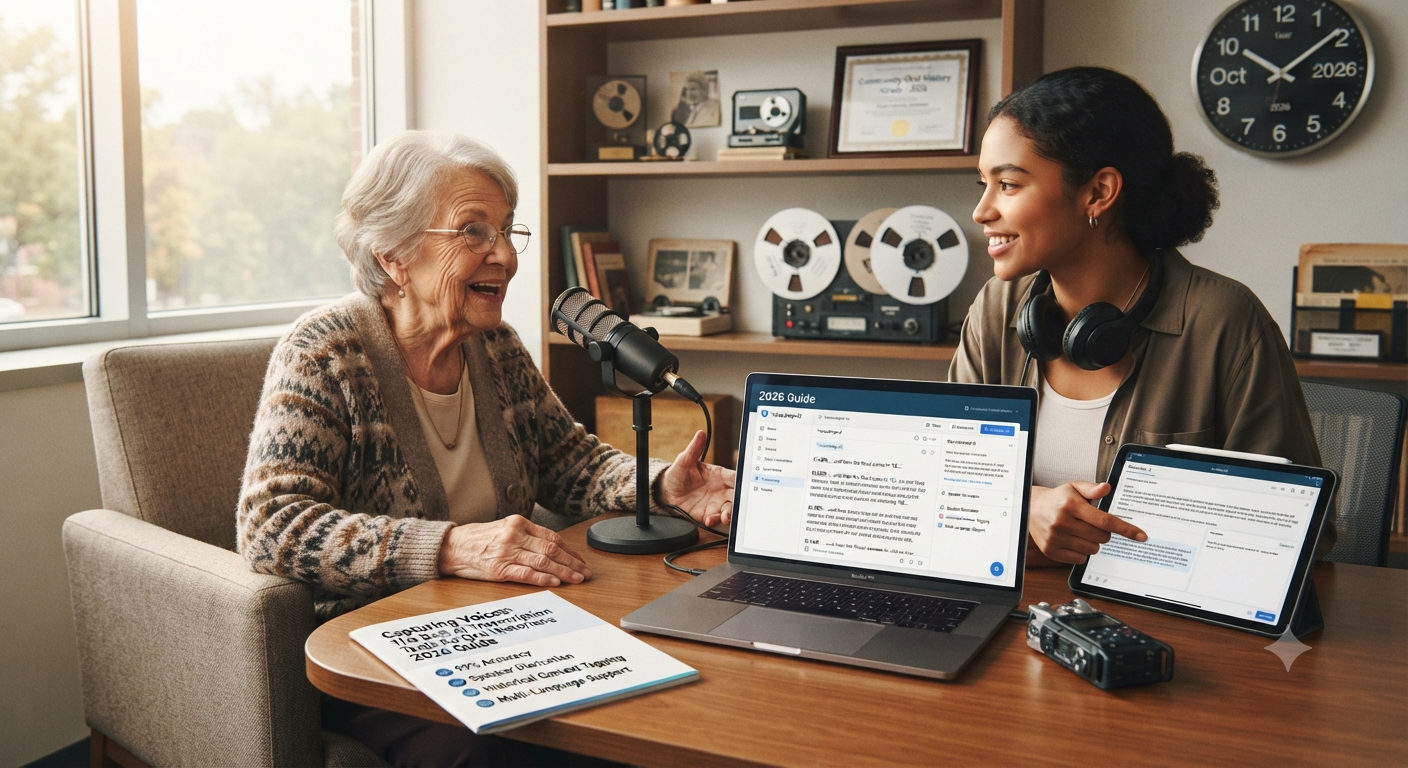
The reality of digital transcription hit home for me recently when a client sent over a 30-minute oral history interview that had been put through an automated AI bot. They reached out to me specifically because the transcript was essentially a wall of text—completely lacking speaker identification, and riddled with missing words that completely altered…
-
Beyond the Text: Why Your Story Deserves a Human Touch
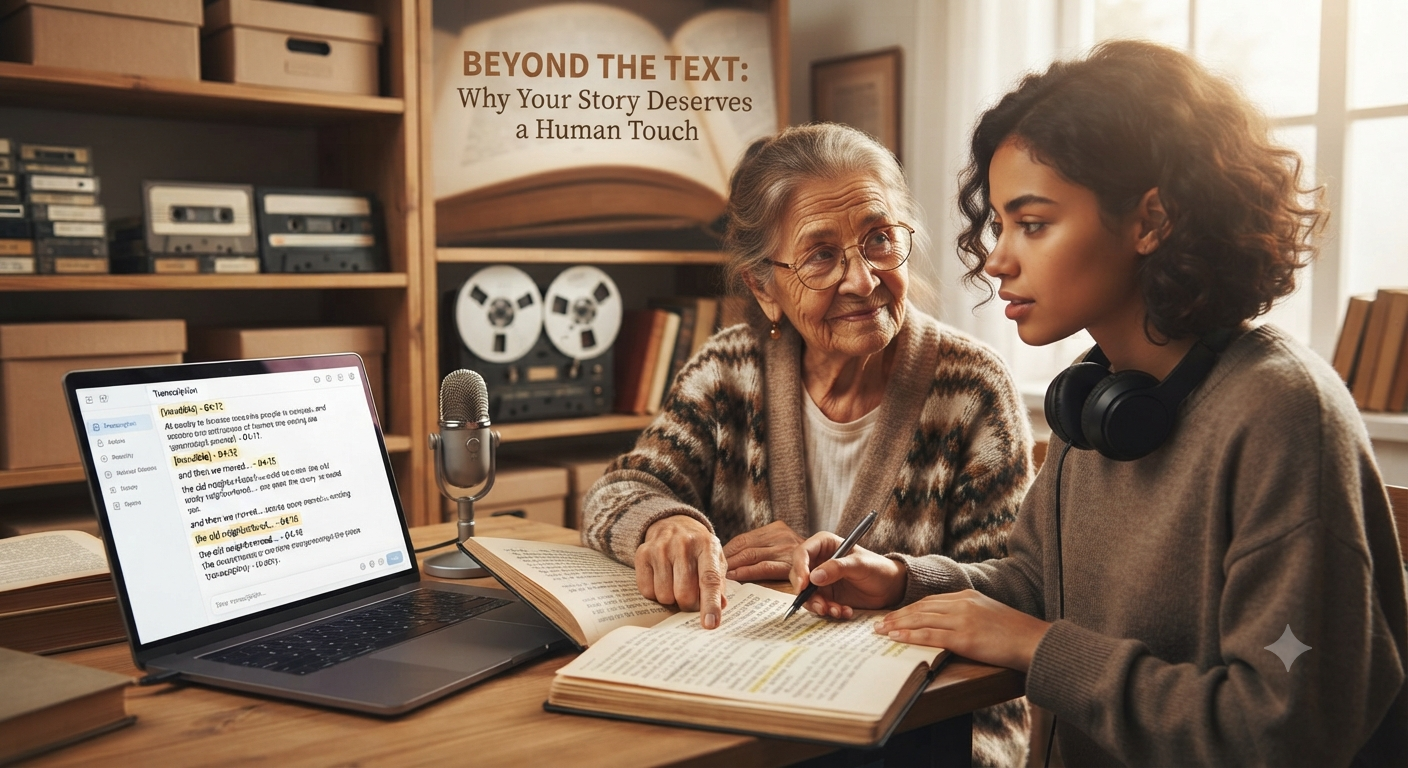
At Jofranlu, we believe that every recorded interview holds a weight—a legacy, a lesson, or a lived experience that deserves to be preserved with the utmost care. When you entrust us with your oral history projects, you aren’t just sending us files to be “typed up.” You are inviting us to become stewards of a…