-
Preserving the Past with Precision: The Oral Historian’s Guide to Flawless Audio and Effortless Transcripts
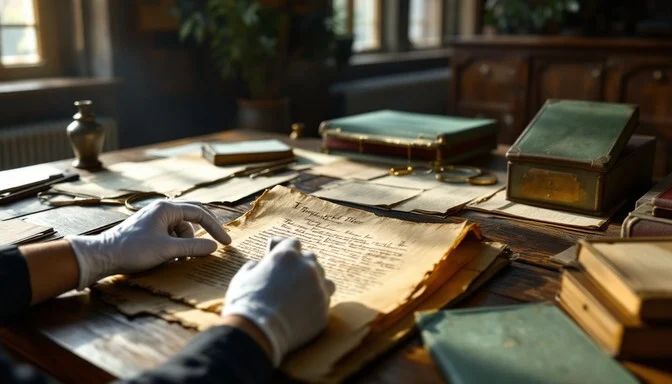
Recording a great interview is only half the battle; the real victory is getting a transcript that doesn’t require hours of “cleanup” because of muffled voices or background hum. For oral history researchers, audio quality isn’t just about convenience—it’s about the integrity of the record. Whether you are using AI or a human service, the…
-
Method Matters: How High Fidelity Transcription Enhances Qualitative Research Data.

In the world of qualitative research, your data is only as strong as your primary source. For oral historians, the transcript is more than just a convenience; it is a vital bridge between a lived experience and a scholarly conclusion. However, not all transcripts are created equal. When we settle for “good enough” audio or…
-
Beyond the Tape: Best Practices for Labeling Speakers in Oral History Transcripts
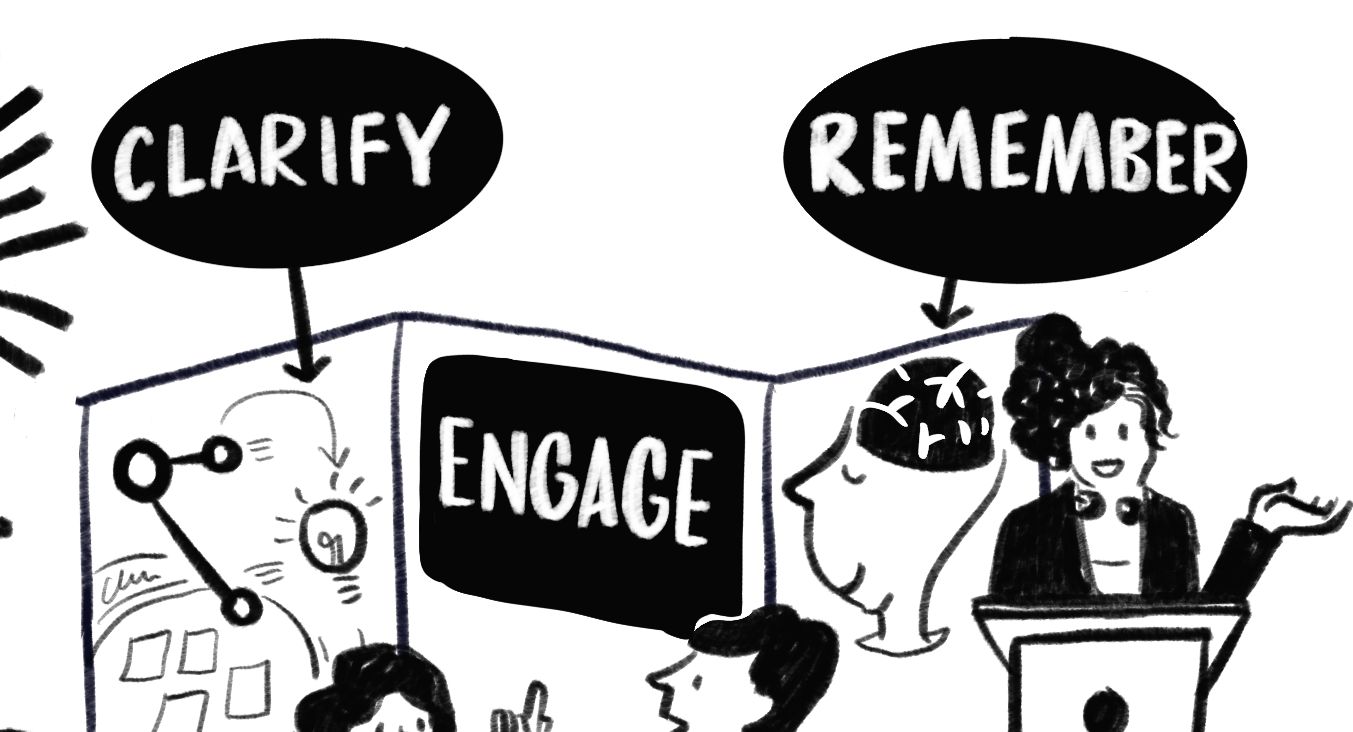
Preserving Voices: Why Oral History Matters Oral history is a vital method for capturing and preserving personal memories and lived experiences that often go unrecorded in traditional archives. It moves beyond official documents to offer rich, subjective, and deeply human accounts of the past. The oral history interview itself—the interaction between the interviewer and the…
-
The Year the Future Arrived
Beyond the Headlines: The Personal Echoes of 2025. An Oral History Project Capturing the Human Experience of a World in Motion The year 2025 was a lightning bolt. From landmark global summits and political shakeups to revolutionary tech announcements and major cultural milestones, the headlines came fast and thick. But what was it really like…
-
Transcribing in the Digital Age: Your Fun & Fresh Guide to Turning Talk into Text!

Ever binge a podcast and think, “Man, I wish I had notes on that epic rant?” Or maybe you’ve got a killer interview you need to quote perfectly? That, my friends, is where transcription swoops in, cape flowing, to save the day! It’s all about turning spoken words into glorious, searchable, readable text. Now, if…
-
Beyond the Words: The Oral Historian’s Guide to Perfect Transcripts
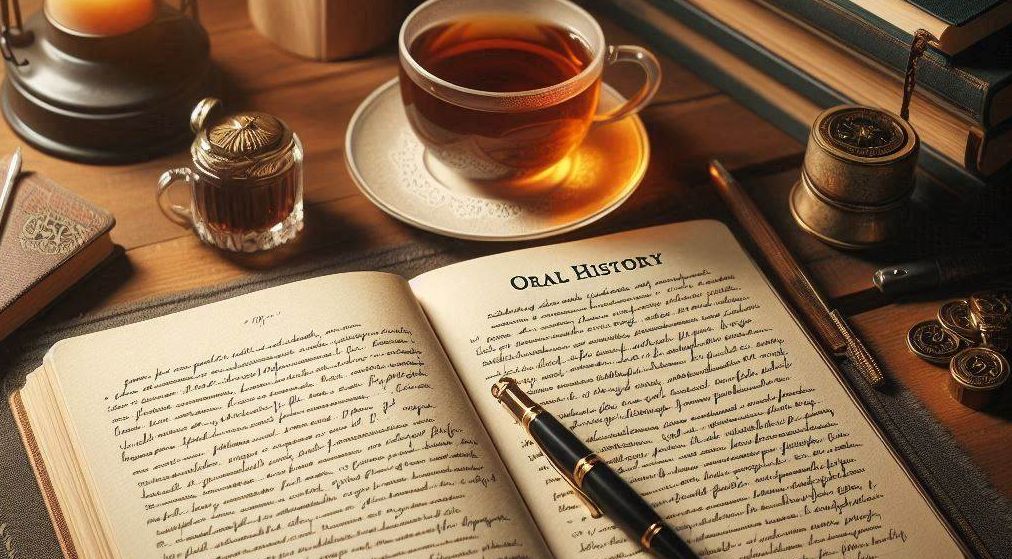
So, you’ve conducted a powerful oral history interview. You’ve captured someone’s invaluable memories, insights, and unique voice. Now comes the crucial step of transforming that rich audio into a usable, lasting document. But how do you format it so it’s not just readable, but genuinely useful, historically accurate, and widely accepted by the oral history…
-
Typing Less, Hearing More: PhraseExpress vs. Express Scribe for the Oral Historian

For oral historians, the journey from raw audio to a polished, searchable transcript is a cornerstone of the entire project. It’s where the rich tapestry of lived experience begins to take written form. In this crucial stage, leveraging the right tools can make all the difference in efficiency, accuracy, and ultimately, the quality of your…
-
Echoes in Every Voice: Unearthing Community Roots through Spoken Stories and Song

Every community holds a treasure chest of history, not just in dusty archives or old photographs, but vibrantly alive in the spoken stories and songs passed down through generations. This isn’t just about entertainment; it’s about the very essence of a community’s cultural and historical background. These oral traditions are the pulsating heart of heritage,…
-
The Hidden Costs: Why Free Transcription Tools Might Fall Short
In the quest to efficiently transform spoken words into written text, the allure of “free” transcription tools can be strong. After all, who doesn’t love saving a buck, especially when dealing with a mountain of audio? However, while these complimentary options can be a starting point for very basic needs, it’s crucial for oral historians,…
-
Echoes of Tomorrow: How Oral History Illuminates Our Modern Challenges

In a world increasingly shaped by algorithms, global crises, and rapid technological advancements, it might seem that the ancient art of oral history has little to say. Yet, by delving into the very essence of what oral history is—the collection, interpretation, and understanding of lived human experience—we find powerful intersections with our most pressing modern…