-
The Architecture of a Life: Why Professional Transcription Is The First Step in Writing a Memoir
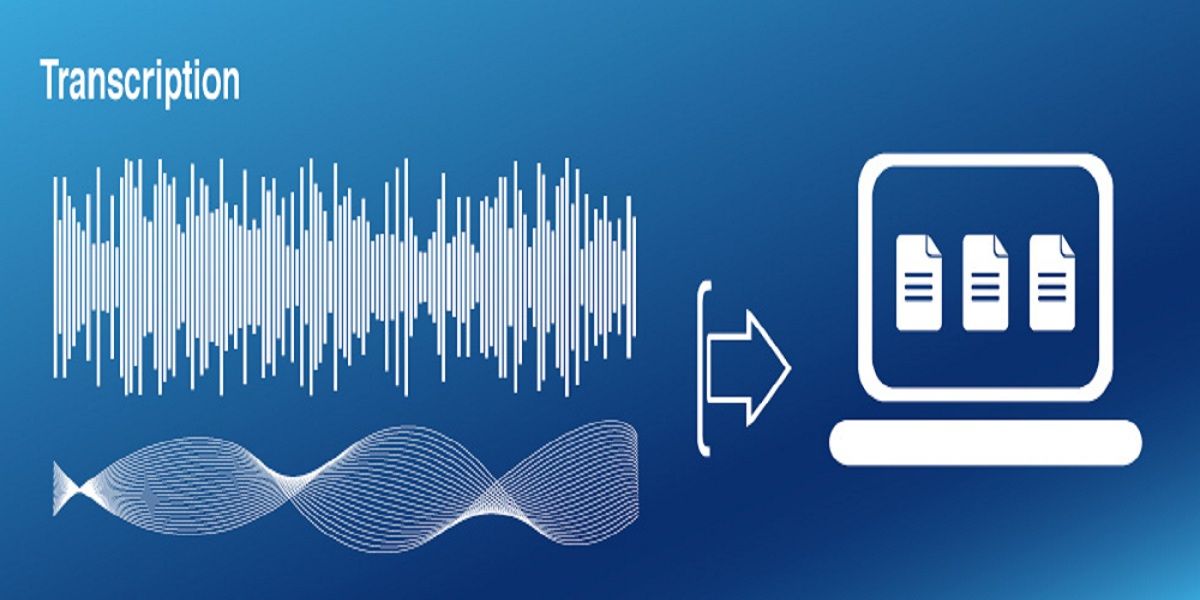
For many oral historians and biographers, the move from recorded interview to finished memoir feels like standing at the base of a mountain. You have hours of tape—rich with anecdote, emotion, and wisdom—but it is a “liquid” medium. To build a book, you first need to turn that liquid into solid ground. In the world…
-
Preserving the Past with Precision: The Oral Historian’s Guide to Flawless Audio and Effortless Transcripts
Recording a great interview is only half the battle; the real victory is getting a transcript that doesn’t require hours of “cleanup” because of muffled voices or background hum. For oral history researchers, audio quality isn’t just about convenience—it’s about the integrity of the record. Whether you are using AI or a human service, the…
-
Method Matters: How High Fidelity Transcription Enhances Qualitative Research Data.

In the world of qualitative research, your data is only as strong as your primary source. For oral historians, the transcript is more than just a convenience; it is a vital bridge between a lived experience and a scholarly conclusion. However, not all transcripts are created equal. When we settle for “good enough” audio or…
-
Beyond the Tape: Best Practices for Labeling Speakers in Oral History Transcripts
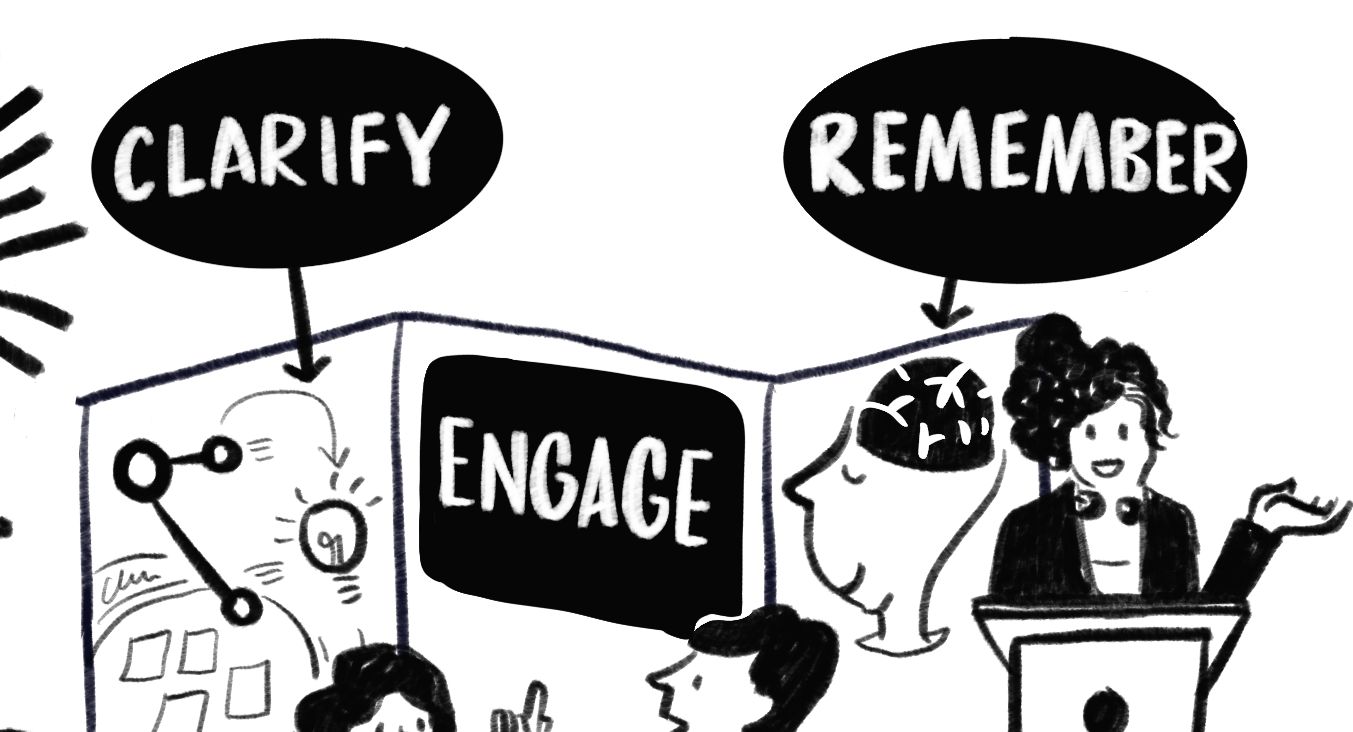
Preserving Voices: Why Oral History Matters Oral history is a vital method for capturing and preserving personal memories and lived experiences that often go unrecorded in traditional archives. It moves beyond official documents to offer rich, subjective, and deeply human accounts of the past. The oral history interview itself—the interaction between the interviewer and the…
-
Echoes of Tomorrow: How Oral History Illuminates Our Modern Challenges

In a world increasingly shaped by algorithms, global crises, and rapid technological advancements, it might seem that the ancient art of oral history has little to say. Yet, by delving into the very essence of what oral history is—the collection, interpretation, and understanding of lived human experience—we find powerful intersections with our most pressing modern…
-
Hearing the Full Story: Understanding the Zoom H1n’s Frequency Response for Oral History

As oral historians, our primary tool is often the humble audio recorder. We rely on these devices to faithfully capture the nuances of voice, the emotion in a tone, and the subtle sounds that paint a vivid picture of the past. For many, the Zoom H1n is a go-to recorder for its portability and ease…
-
Beyond the Words: Capturing the Soundscape of Memory in Clean Verbatim Oral History

As oral historians, our commitment to clean verbatim transcription aims for accuracy and preserves the spoken word as closely as possible. However, the richness of an oral history interview often extends beyond the dialogue itself. Significant sound events – a sudden shift in tone, a poignant sigh, the distant chime of a clock – can…
-
Beyond the Transcript: Understanding Oral Historiography

As oral historians, you dedicate yourselves to the profound act of listening. You meticulously record voices, capture memories, and preserve personal narratives that might otherwise fade into silence. But the journey from recorded interview to historical understanding extends beyond mere transcription. This is where oral historiography comes into play. So, what exactly is oral historiography?…
-
Why Documenting Our Experiences of the Rapid Rise of AI in Everyday Life through Oral History is Crucial

The air crackles with a new kind of energy. From the subtle suggestions of our streaming services to the increasingly sophisticated chatbots answering our queries, Artificial Intelligence (AI) is no longer a futuristic fantasy – it’s woven into the fabric of our daily lives here and now. This rapid integration, a trend that has accelerated…
-
Bridging Worlds: Adapting Your Interview Approach across Cultures

Oral history is a powerful tool for understanding diverse human experiences. However, the very act of interviewing is deeply rooted in cultural norms and communication styles. What might be considered a respectful and engaging approach in one context could be perceived as intrusive, confusing, or even offensive in another. As oral historians, it’s our ethical…