-
The Future of Oral History: Balancing AI Transcription with the Human Touch
In the rapidly evolving world of digital storytelling and archival work, we are constantly discovering new ways to preserve history. You have likely heard of the recent surge in AI transcription tools designed to convert spoken word into text—platforms like Otter.ai, Rev, and Descript have certainly made their mark. While these tools offer incredible speed,…
-
The Echoes of the Summit: Why Your Story Matters

In the world of professional transcription, we often talk about accuracy, turnaround times, and data security. But when you strip away the technical requirements, the true heart of our work at Jofranlu is human connection. After fifteen years in this field, I’ve learned that a transcript is rarely just words on a page. It is…
-
Funding the Past: How to Get Your Transcription Costs Covered in Research Grants
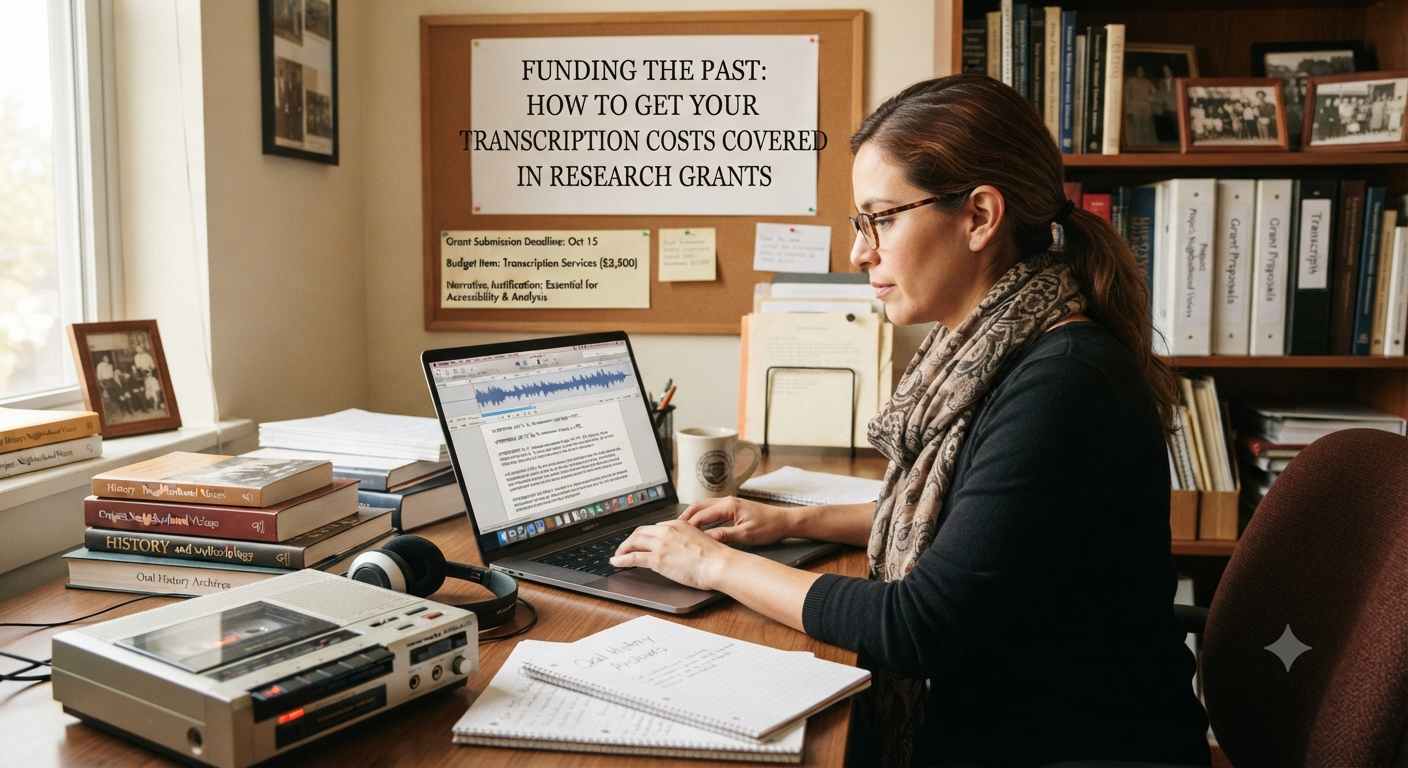
Securing a research grant is a monumental achievement, but the real work often begins after the funding is secured. One of the most common pitfalls researchers face is underestimating the time and financial resources required to turn raw audio interviews into usable, searchable, and preserved data. If your project relies on oral history, transcription is…
-
Capturing Voices: The Best AI Transcription Tools for Oral Historians (2026 Guide)
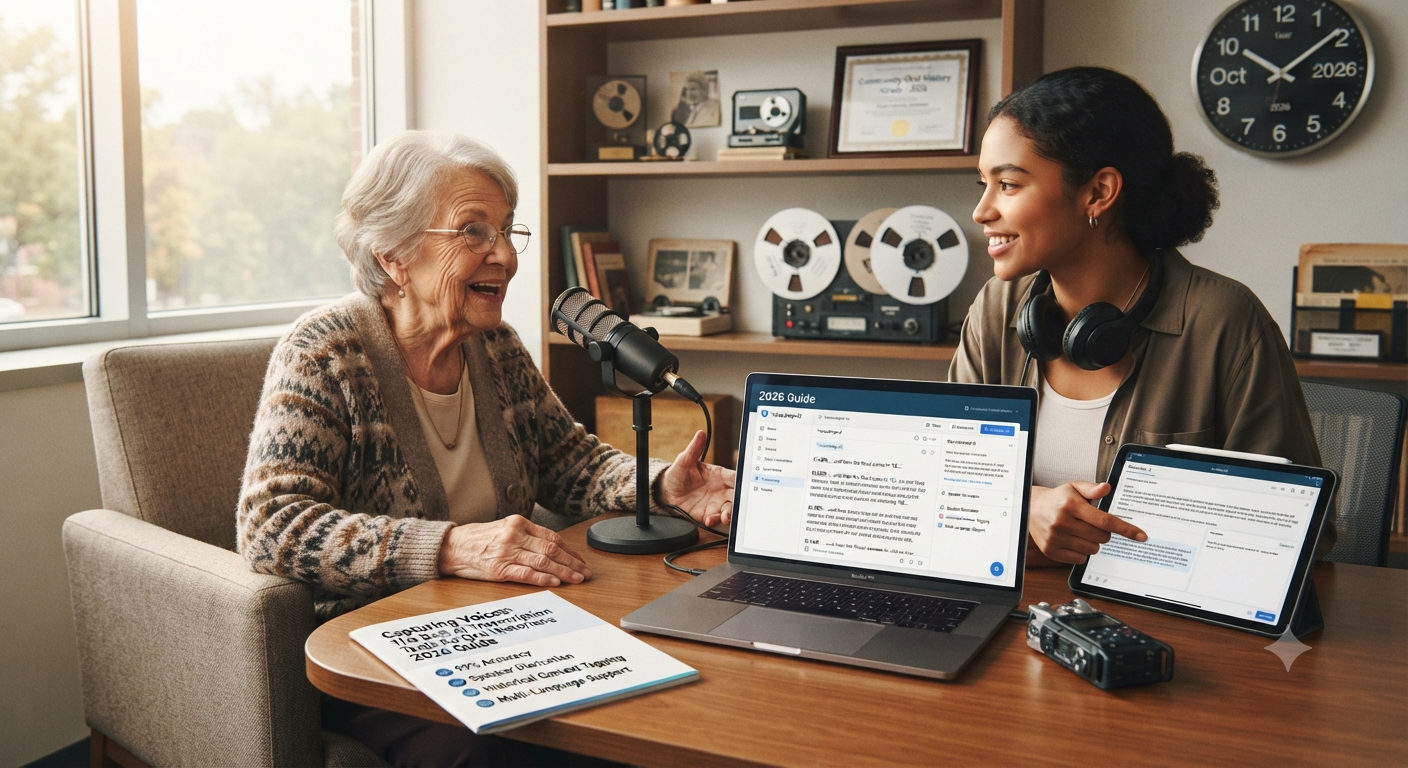
The reality of digital transcription hit home for me recently when a client sent over a 30-minute oral history interview that had been put through an automated AI bot. They reached out to me specifically because the transcript was essentially a wall of text—completely lacking speaker identification, and riddled with missing words that completely altered…
-
Beyond the Text: Why Your Story Deserves a Human Touch
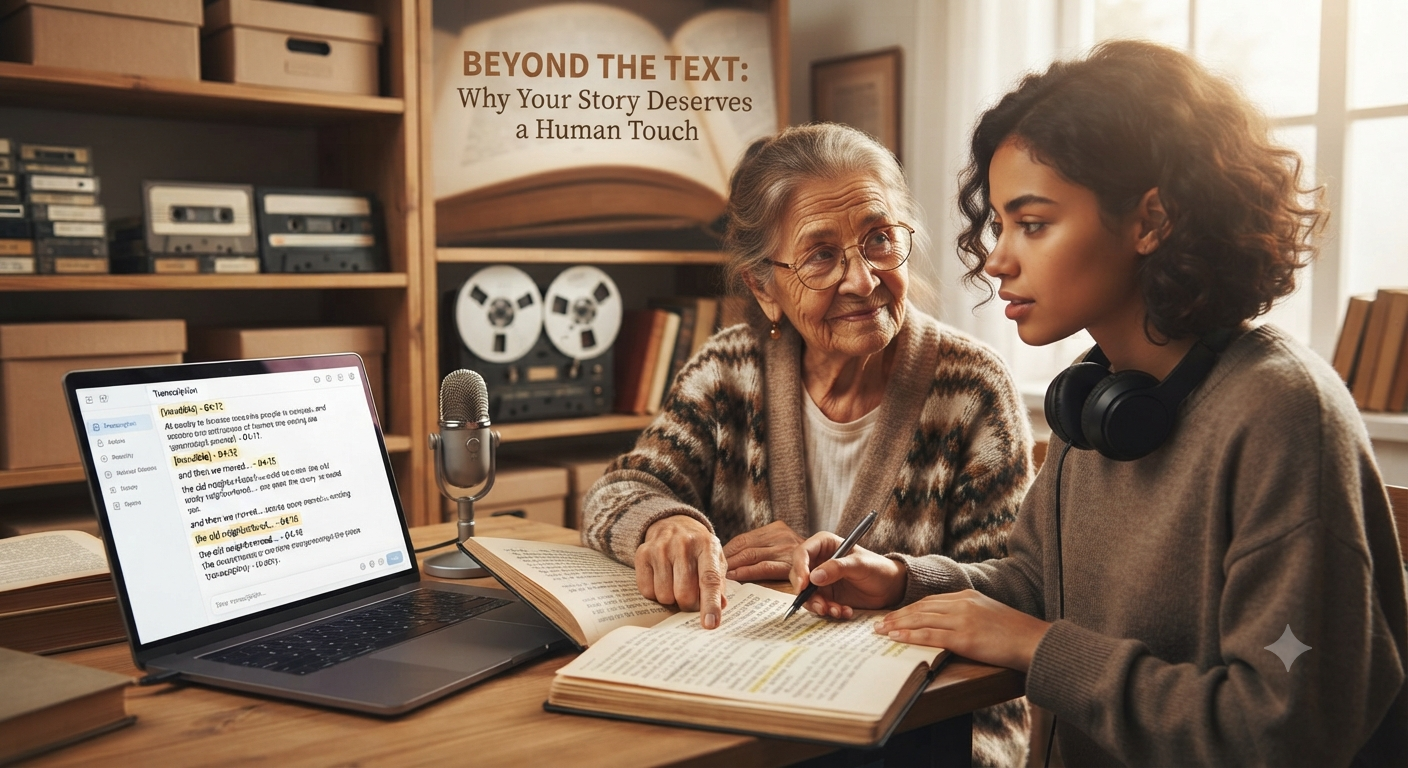
At Jofranlu, we believe that every recorded interview holds a weight—a legacy, a lesson, or a lived experience that deserves to be preserved with the utmost care. When you entrust us with your oral history projects, you aren’t just sending us files to be “typed up.” You are inviting us to become stewards of a…
-
Rescuing Your Audio: Choosing the Right Data Recovery Tool for Your Zoom H1n
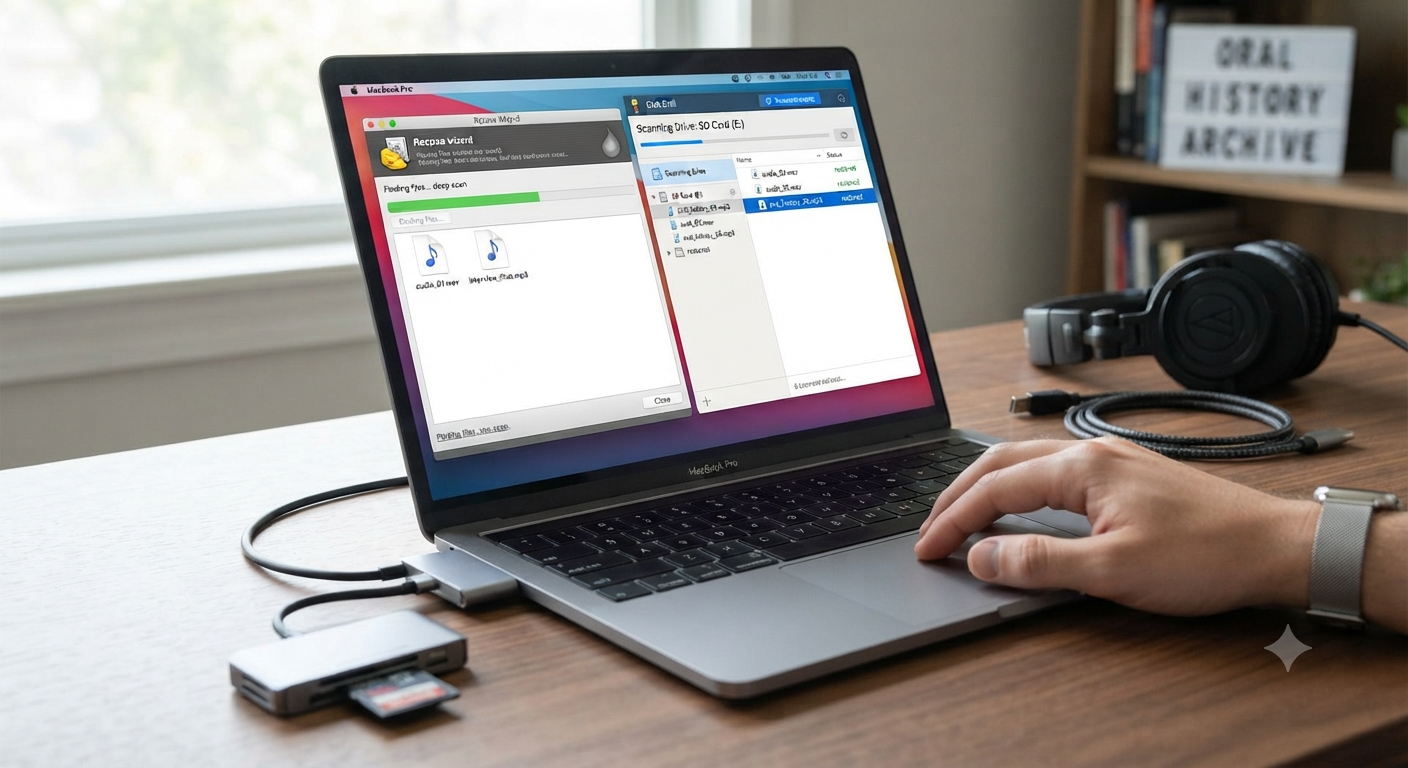
If you encounter an “Invalid SD Card” error or your computer prompts you to format the card (please, do not format it!), your file system structure is likely damaged. The good news is that while the file system is corrupted, your raw audio data is often still intact. You do not need to use both…
-
Questions to Ask When Interviewing Family Elders
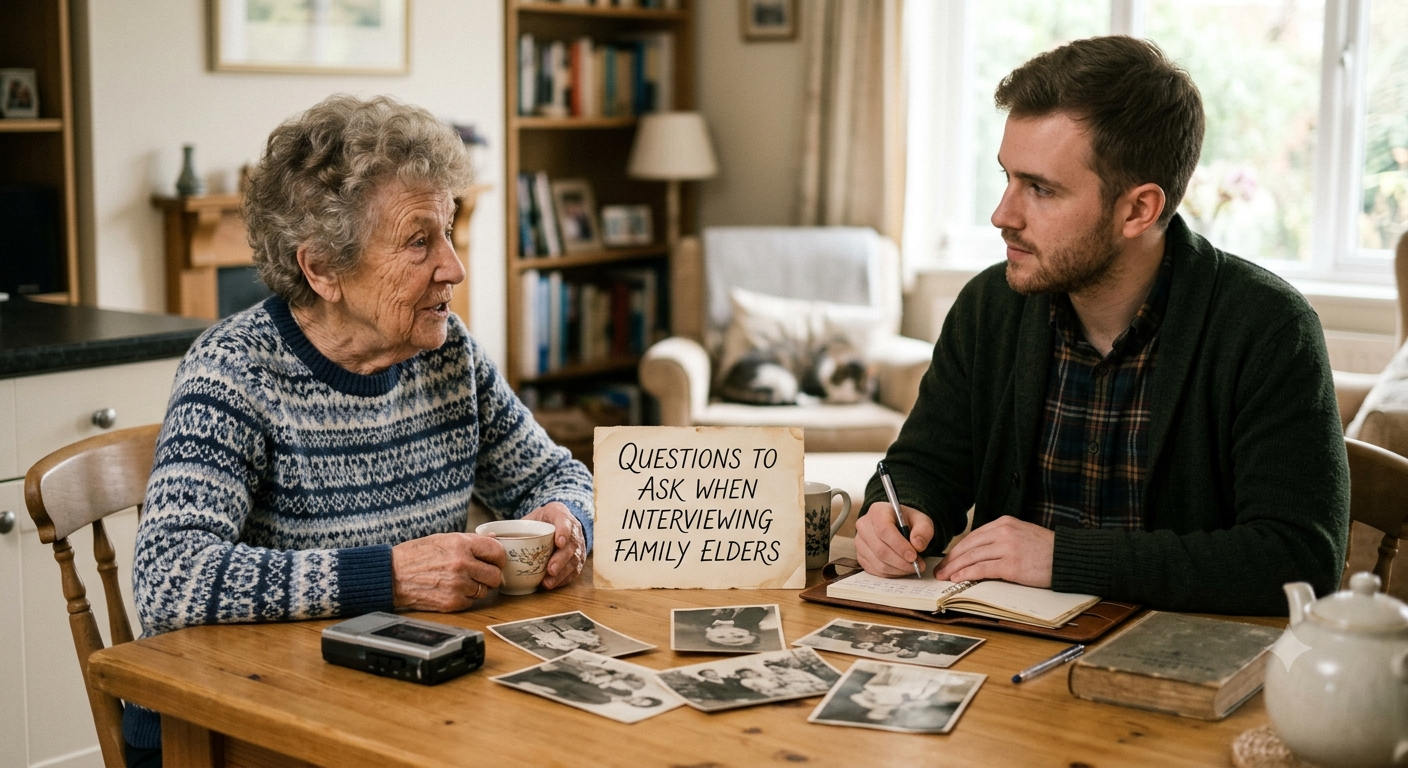
Have you ever wished you could hit “pause” on time? Our family elders are living, breathing libraries, holding the keys to stories, traditions, and memories that haven’t been written down anywhere else. Interviewing a family member isn’t just about gathering facts for a genealogy chart; it’s about capturing their voice, their personality, and the wisdom…
-
Don’t Get Carded! Ensuring Your Zoom H1n Plays Nice with SD Cards
For oral historians, the Zoom H1n is a beloved tool. Its compact size, ease of use, and surprisingly good audio quality make it a go-to for capturing invaluable spoken memories. However, one crucial aspect that often trips up users, particularly those new to the H1n, is its specific requirements for SD cards. Forget about throwing…
-
Choosing Between Verbatim vs. Clean-Read Transcription
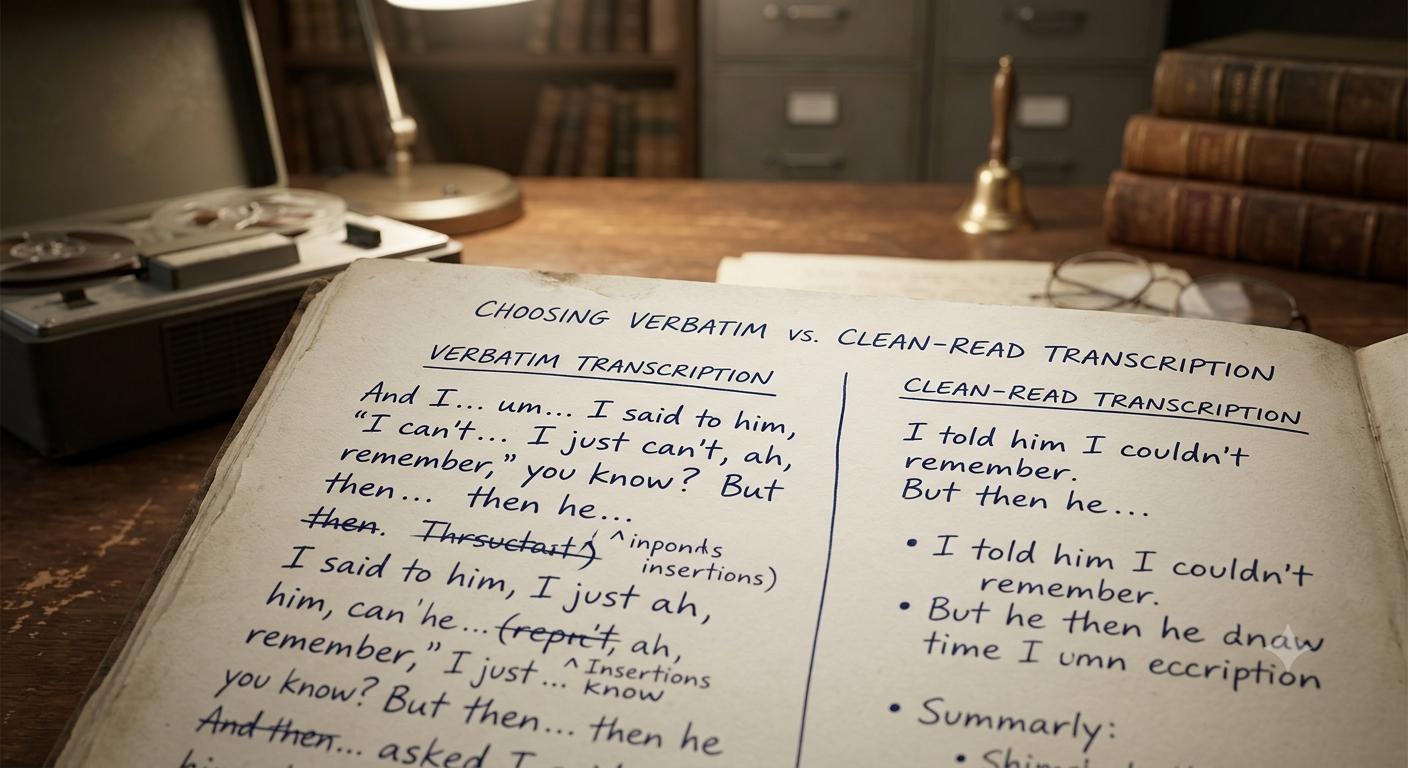
In the world of oral history, the transcription process is where the raw, ephemeral sound of a story meets the permanence of the written page. As you prepare your interviews for archiving or publication, one of the most critical decisions you will make is choosing between verbatim and clean-read transcription. There is no “right” answer—only…
-
Beyond the Mic: The Ultimate Pre-Interview Checklist for Your Oral History Narrator

We often obsess over the technology: Is the recorder charged? Is the external microphone positioned correctly? Is the room quiet? But the most critical component of a successful oral history interview isn’t the hardware—it’s the narrator. A comfortable, prepared narrator is the difference between a shallow Q&A session and a rich, emotional, and historically significant…