-
3 Top Tips When Recording Oral History Interviews
Today I’m going to talk to you about how to properly record oral history interviews from a transcriber’s view. This is a unique perspective from me as a transcriber combining what I have experienced and what I hope to be implemented while recording oral history interviews for oral historians that you may not get from…
-
Well-Being and Oral History
Oral History is sometimes about recounting painful, difficult or traumatic memories. This can be distressing for not only the interviewee but the interviewer as well. Sometimes we can be blindsided or surprised by the impact of conducting an interview regardless of the topic due to all the associations it has brought to mind positive and…
-
3 tips While Recording a Phone Interview

The other day, an oral historian got in touch with me to transcribe an audio on refugees in Sudan. It was about a two-hour long audio file. Exciting right? Well yes, I mean transcription is fun but, in this case, I just had a couple of issues that I felt I needed to share and…
-
4 Disadvantages of Video Conferencing.
The impact of digital surge has risen from 40% to 100% with the outbreak of COVID 19. People have learned to adapt to staying indoors and communicating from the comfort of their home. It is the closest they get to actually having a face-to-face moment with loved ones or for work purposes or any other…
-
Oral History Sequence

Oral histories are intended to generate insights on the past and provides one of the most valuable of all historical sources which is one reason that makes oral history different and unique. But in order to collect these insights the interviewer or the researcher needs to have an organized way of collecting the necessary data…
-
Best Practices for Conducting Oral History Interviews Remotely
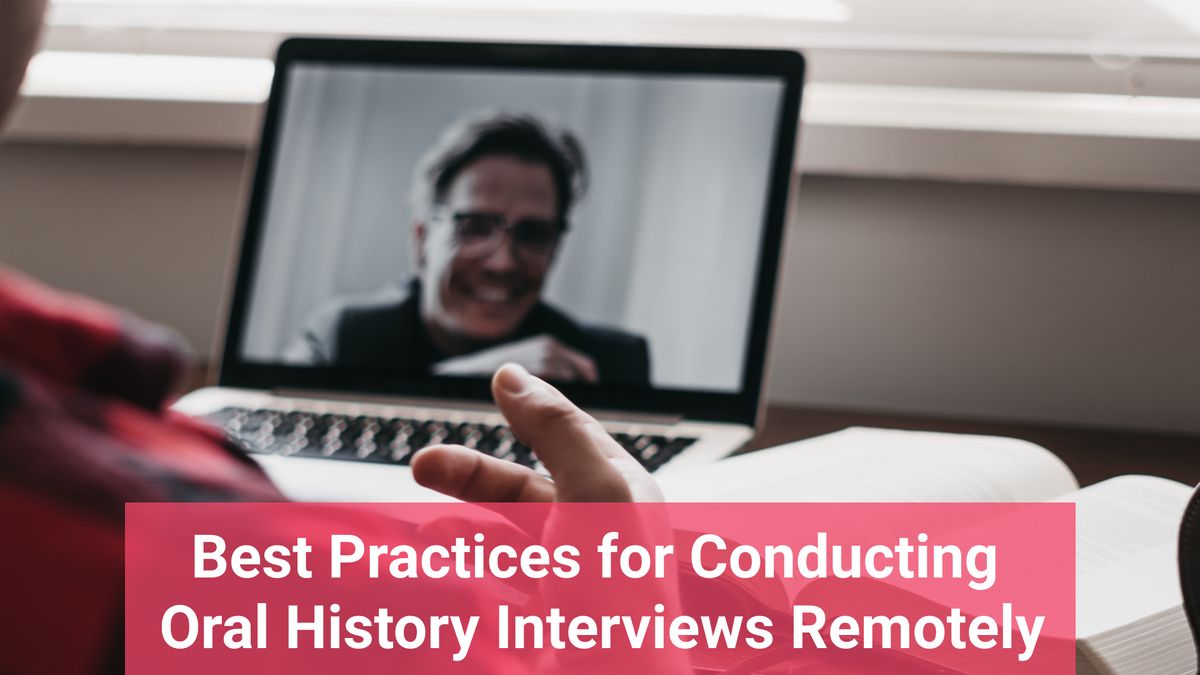
In an era of physical and social distancing, what are some of the best practices for conducting oral history interviews remotely? From insights, talking to oral historians and transcribing their interviews (if you’d like us to transcribe your oral history interviews for you, get in touch) in the past year, we’ll coalesce our recommendations around…
-
Top Four Benefits of Video Conferencing

Before 2020, meet ups either socially or work related were not something you had to really think about. Just plan with whoever you’re meeting up with, time and place and showing up was all you had to do, have a good time or discuss serious issues or conduct interviews and that was that. But since…
-
Three Tips for Conducting Oral History Interviews Via Zoom
Thanks to technology, Zoom allows people to stay connected wherever they are. It allows users to start or join a secure meeting with flawless video and audio, instant screen sharing, and cross-platform instant messaging from one user to another. This cloud-based communications app has made it easier, especially during this period of the COVID-19, for…
-
Legalities and Ethics surrounding Oral History
This blog is for people who record oral history interviews and organizations and individuals who keep collections of oral history data. In a previous blog we looked at the oral history consent form, today we’re going to be looking at the legal and ethical issues that oral historians should look out for. Legal Issues Copyright…