
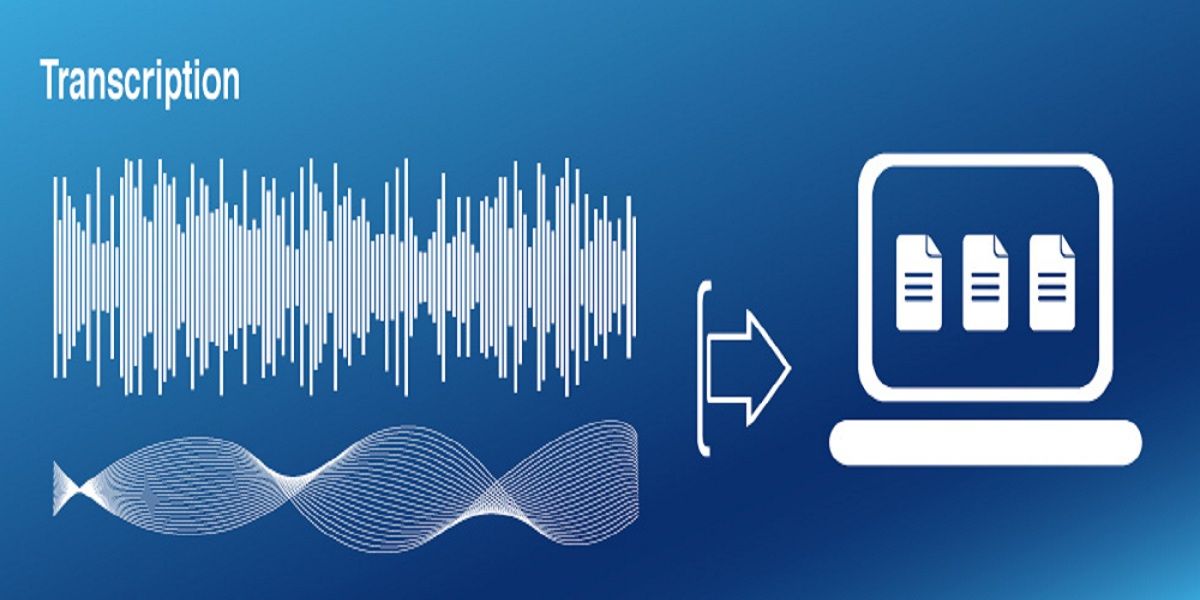
For many oral historians and biographers, the move from recorded interview to finished memoir feels like standing at the base of a mountain. You have hours of tape—rich with anecdote, emotion, and wisdom—but it is a “liquid” medium. To build a book, you first need to turn that liquid into solid ground.
In the world of life writing, “The Architecture of a Life” begins not with the first chapter, but with a professional, high-fidelity transcript. Here is why transcription is the essential structural foundation for any memoir project.
Seeing the “Narrative Arc”
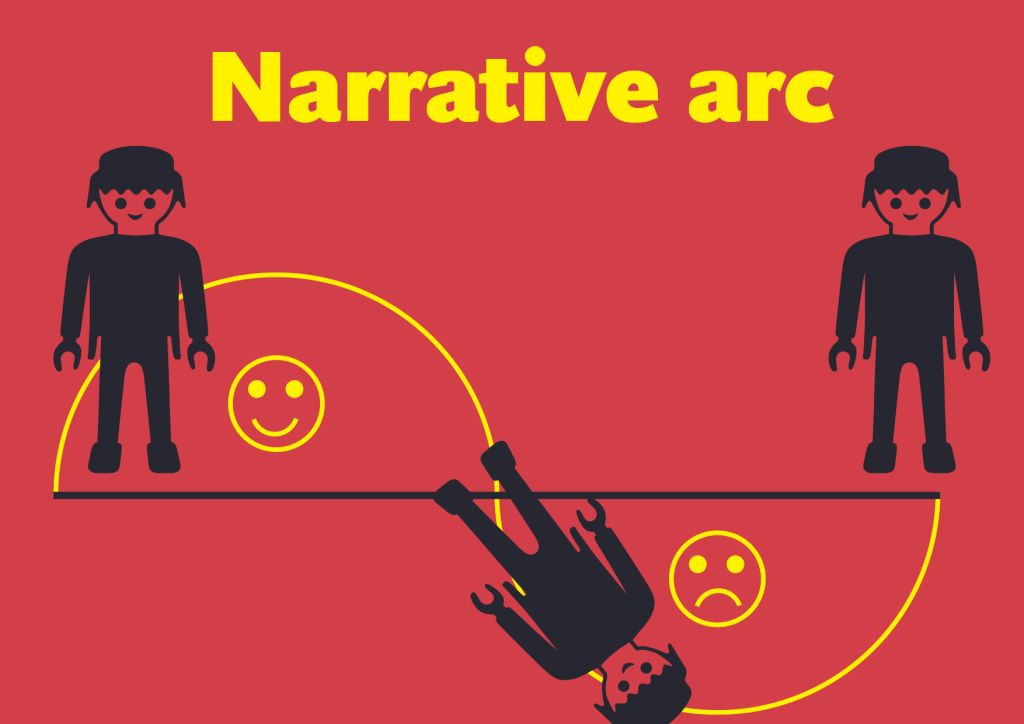
It is difficult to “see” a book while listening to audio. Our brains process sound linearly, making it hard to spot the recurring themes or the natural “breaks” in a life story.
Spatial Awareness: A transcript allows you to skim seventy years of history in minutes. You can physically see where a narrator spends the most time, where they gloss over details, and where the “climax” of their personal journey truly sits.
Structural Outlining: With a text document, you can begin “blocking” the book—moving a childhood memory from page 50 to page 10 to better serve the thematic flow of the memoir.
Preserving the “Authentic Voice”
The biggest challenge in memoir writing is capturing the subject’s unique way of speaking without making it unreadable.
Professional Nuance: A professional transcriber captures the cadence, the specific regionalisms, and the idiosyncratic “verbal fingerprints” that make a person who they are.
The Script for the Story: Having these exact turns of phrase written down prevents the author from accidentally “homogenizing” the narrator’s voice during the drafting phase. It ensures the book sounds like the person who lived it, not just the person who wrote it.
The Searchability Factor
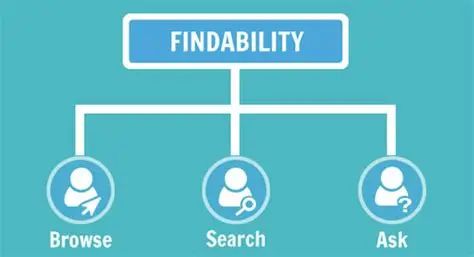
Memoirs are often built around specific details: the name of a childhood street, the brand of a first car, or a specific date in 1964.
Keyword Efficiency: Searching through thirty hours of audio for a single mentioned name is an exercise in frustration. A professional transcript makes your data instantly searchable.
Fact-Checking: High-fidelity transcripts often include “researcher notes” or correctly spelled proper nouns that the transcriber has verified, providing a head start on the rigorous fact-checking required for historical memoirs.
Identifying the “Gaps” in the Story

When you read a transcript, the “holes” in the history become glaringly obvious.
The Follow-Up Tool: You might realize while reading that the narrator skipped three years of their life or never explained why they left a certain job.
Strategic Interviewing: Seeing the text in front of you allows the researcher to prepare for “Session Two” with surgical precision, ensuring the final memoir is comprehensive and cohesive.
Emotional Distance for the Writer

Transcribing one’s own interviews is a grueling, emotional task that can lead to “interviewer burnout.”
Outsourcing the Heavy Lifting: By using a professional service, the researcher or ghostwriter can step back from the raw intensity of the recording and approach the text with the “editor’s eye” needed to craft a compelling narrative.
Comparison: Raw Audio vs. Professional Transcript for Memoirists
| Feature | Raw Audio | Professional Transcript |
| Editing Speed | Slow (Real-time playback) | Fast (Skimming & Highlighting) |
| Organization | Linear / Difficult to reorder | Modular / Easy to “cut and paste” |
| Indexing | Requires manual time-stamping | Searchable via Ctrl+F |
| Final Goal | The “Source” | The “Blueprint” |
The Bottom Line:

You cannot build a house without a blueprint, and you cannot write a memoir without a transcript. Professional transcription isn’t just a clerical task; it is the first act of authorship. It transforms a collection of memories into a structured history.
A memoir is more than a collection of memories; it is a carefully constructed legacy. Just as you wouldn’t build a home on a shifting foundation, you shouldn’t build your life’s story on shaky data. But what happens when the tools you use to capture those memories fail you? Stay tuned for our next post, The Cost of Cheap: Why Fixing Bad AI Transcripts Costs More Than Hiring a Professional where we break down the hidden price of automated ‘shortcuts.’
And always remember to be kind, stay positive and learn to unwind.