
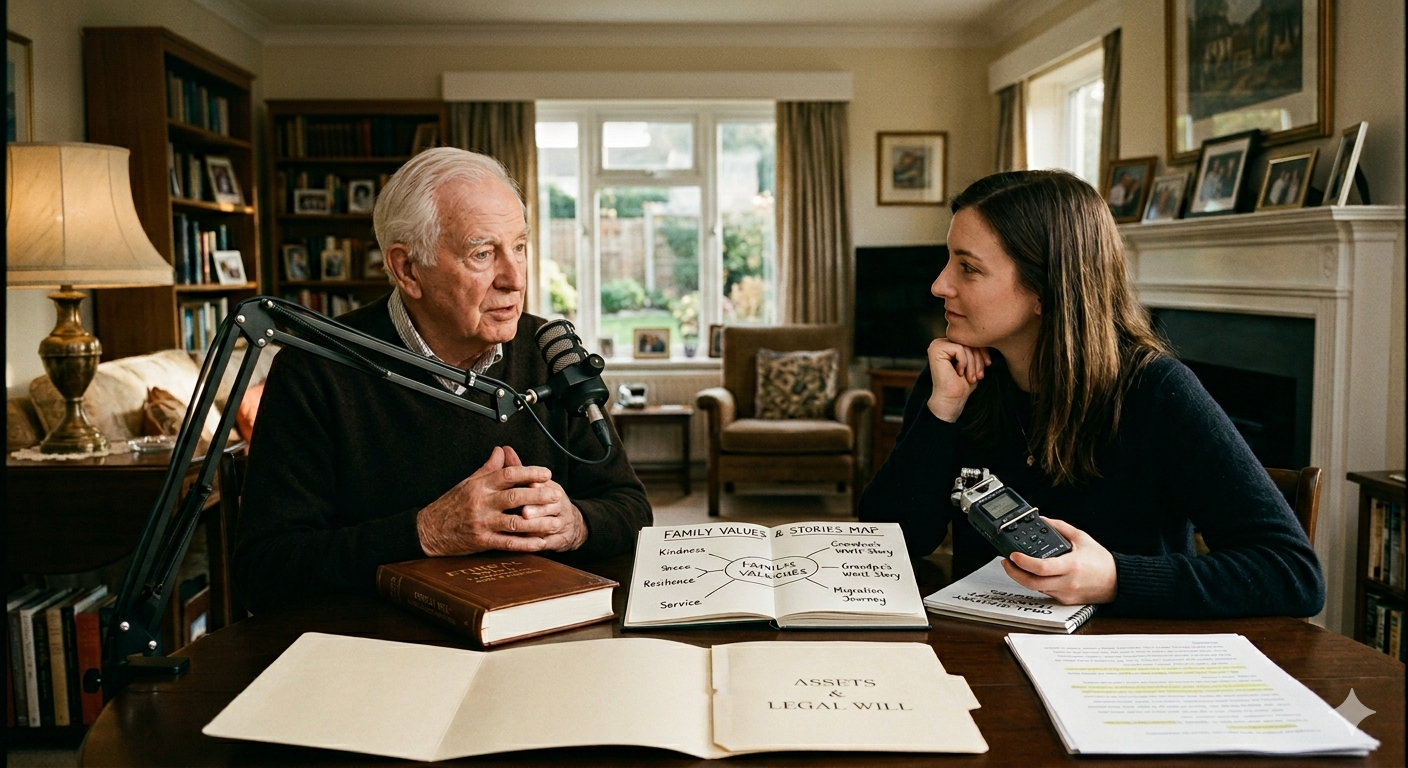
When we hear the word “will,” our minds typically gravitate toward ledgers of bank accounts, property deeds, and the distribution of physical belongings. But there is a parallel tradition—one that dates back centuries yet feels more urgent than ever in our digital age—known as the Ethical Will.
Unlike a legal will that disposes of what you own, an ethical will preserves who you are. It is a document of the soul, and today, the most powerful way to construct one is through the rigorous, empathetic lens of oral history.
What is an Ethical Will?
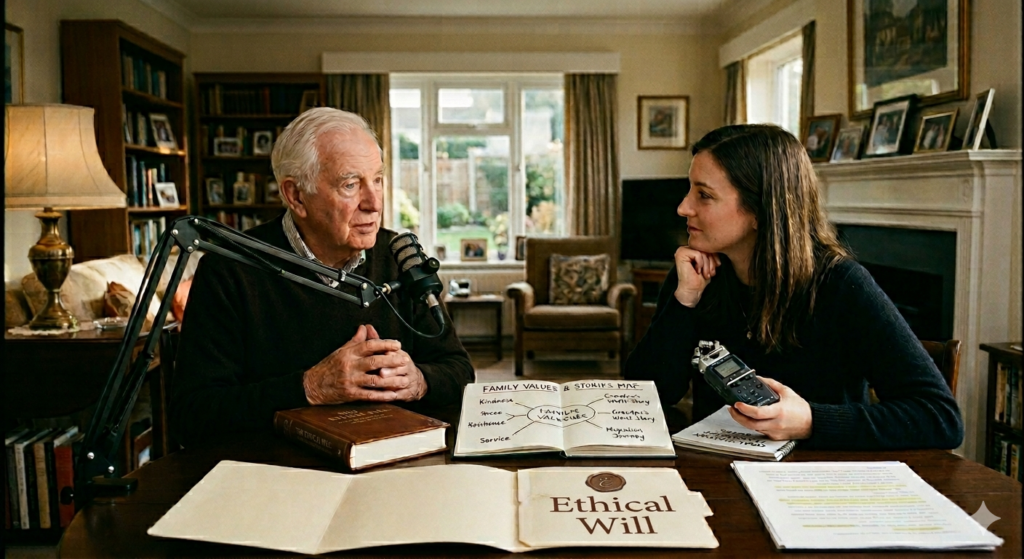
Historically known as Zava’at in Jewish tradition, an ethical will is a way to pass down “spiritual assets.” This includes:
- Personal values and life lessons.
- Hopes and dreams for future generations.
- Requests for forgiveness or expressions of deep gratitude.
- The “why” behind the decisions made throughout a lifetime.
While a legal will is a cold, clinical document required by the state, an ethical will is a warm, living legacy meant for the family.
The Alchemy of Oral History: From Thought to Testimony
Writing an ethical will can be a daunting task. Many find themselves staring at a blank page, struggling to summarize a lifetime of wisdom. This is where the methodology of oral history transforms the process.
By using an oral history framework—structured, recorded interviews—the process moves from a solitary writing exercise to a dynamic conversation. Oral history techniques help capture the “texture” of a life that written words often miss:
The Power of Nuance: A transcript of an oral history captures the tremor of emotion, the specific local vernacular, and the pauses that signify deep reflection.
Contextual Wisdom: Instead of simply stating “be kind,” an oral history interview elicits the specific story—the “momentous private event”—that taught the narrator the value of kindness.
Active Inquiry: A skilled interviewer can ask follow-up questions that probe deeper than a self-written letter, ensuring that the narrator’s core philosophy is fully articulated.
Why Transcribe an Ethical Will?
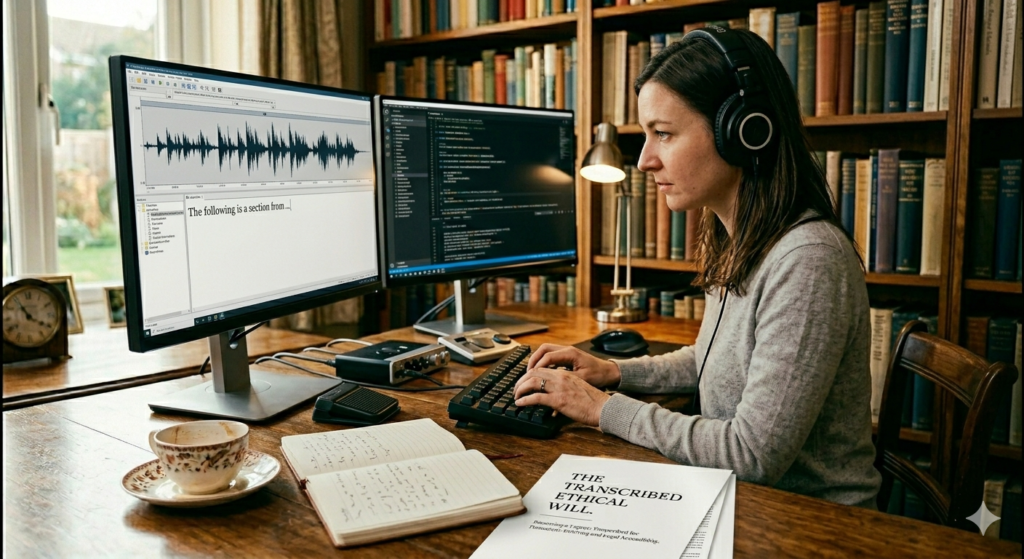
While the audio recording of an ethical will is a precious heirloom, the professional transcription of that record is what ensures its permanence and utility.
Searchability: Future generations can easily search a transcript for specific advice or stories without scrubbing through hours of audio.
Accessibility: A printed and bound ethical will can be shared at family gatherings, read at milestone events, or kept on a bookshelf as a constant source of guidance.
Archival Integrity: Digital audio formats change, but the written word remains the most durable form of historical preservation.
A Legacy That Endures
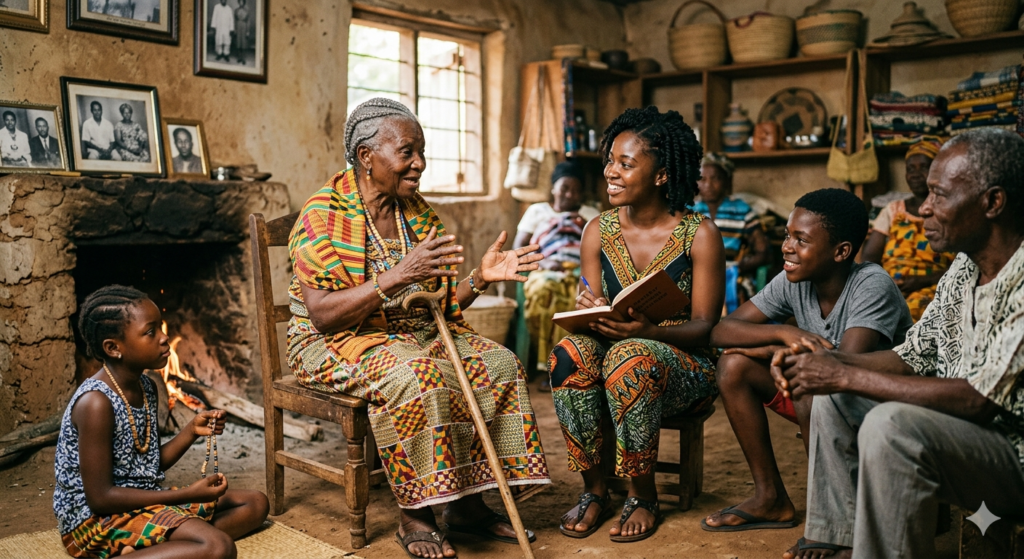
In a world that often prioritizes the quantitative—the “backlash” mentioned by some social scientists who prefer data over stories—the ethical will stands as a testament to the qualitative. It acknowledges that human beings are more than a collection of assets; we are a collection of observations, biases, and profound preferences that shape the future.
By marrying the ancient concept of the ethical will with the modern techniques of oral history and professional transcription, we ensure that our voices don’t just speak for us when we are gone—they continue to guide.
Preserve your values with the same precision you afford your assets.
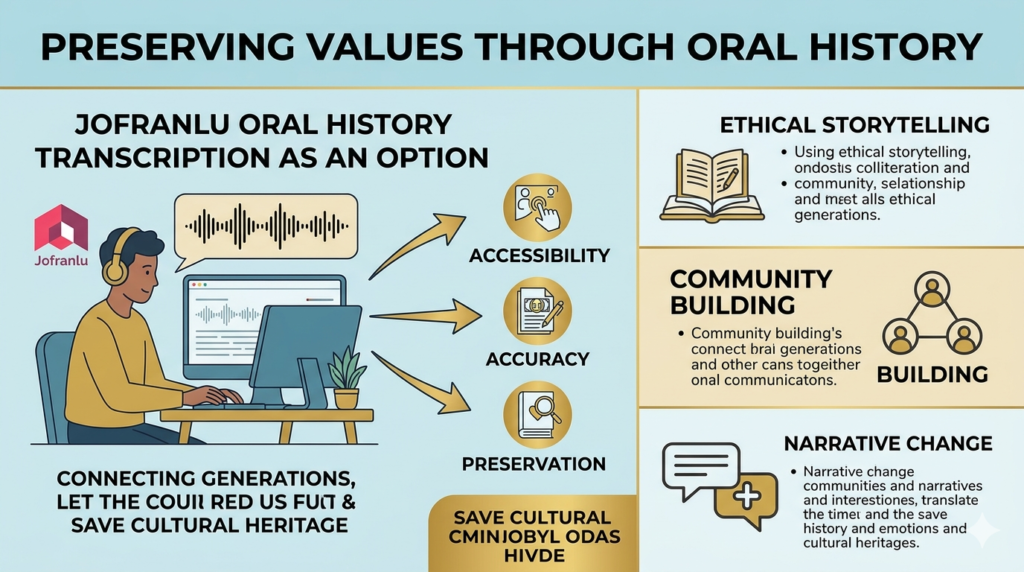
At Jofranlu, we specialize in the meticulous transcription of oral histories. Whether you are conducting a formal research project or recording a personal ethical will, our team ensures that every word of wisdom is captured with accuracy and care.
Contact us today to turn your recorded legacy into a lasting document. Remember to be kind, stay positive and learn to unwind.