
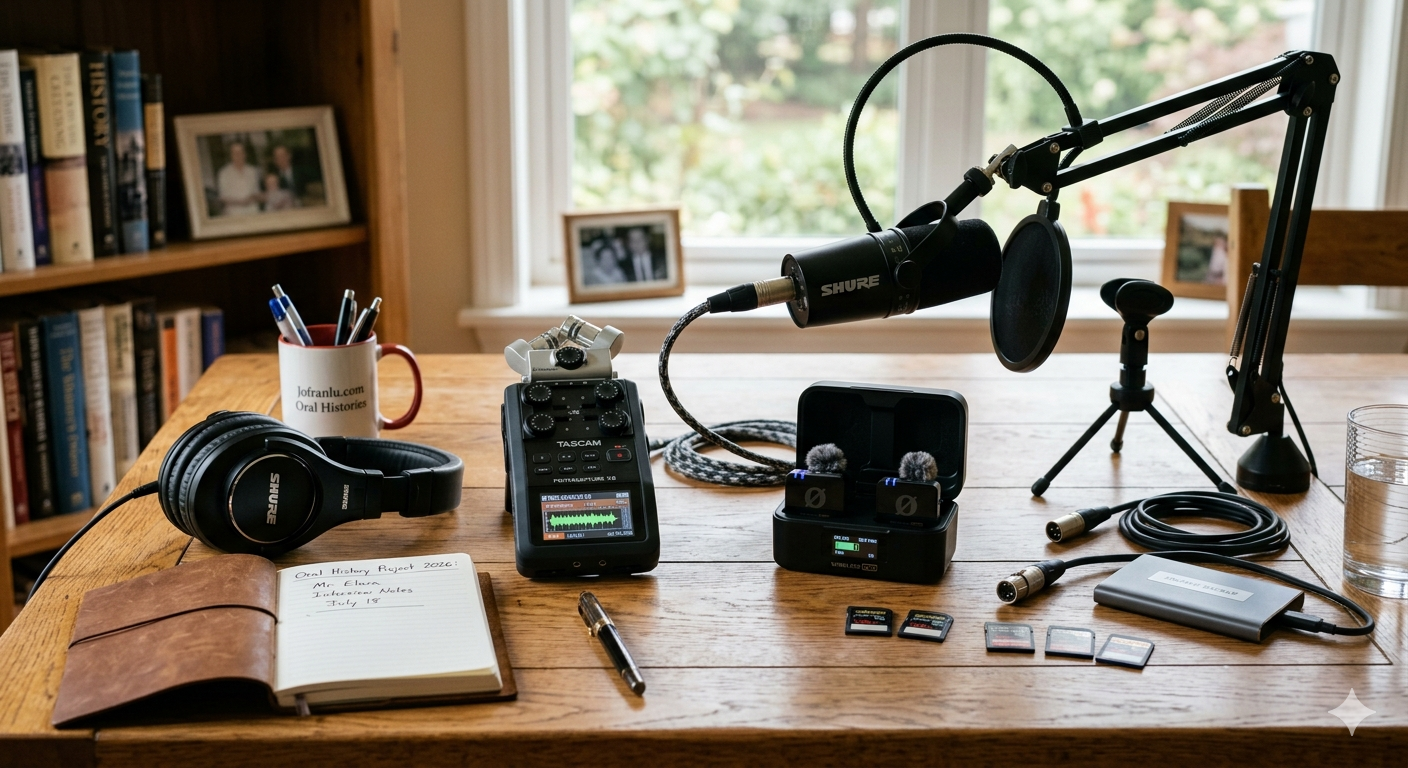
Preserving a life story is a sacred task. Whether you are documenting the memories of a family elder or capturing the oral history of an entire community, the quality of your audio is the bridge between the past and the future. In 2026, technology has reached a point where “technical difficulties” should never stand in the way of a powerful narrative.
The biggest shift we’ve seen this year is the widespread adoption of 32-bit float recording. This technology has become the gold standard for oral historians because it virtually eliminates “clipping” (distorted audio when someone speaks too loudly) and allows for the recovery of very quiet whispers without adding hiss.
Here is the top-tier gear recommended for oral historians in 2026, including current market pricing to help you budget for your next project.
The Best Portable Recorders
For field interviews, you need a device that is reliable, easy to navigate, and capable of archival-grade output.
- The Powerhouse: Tascam Portacapture X8
Price: Approximately $499
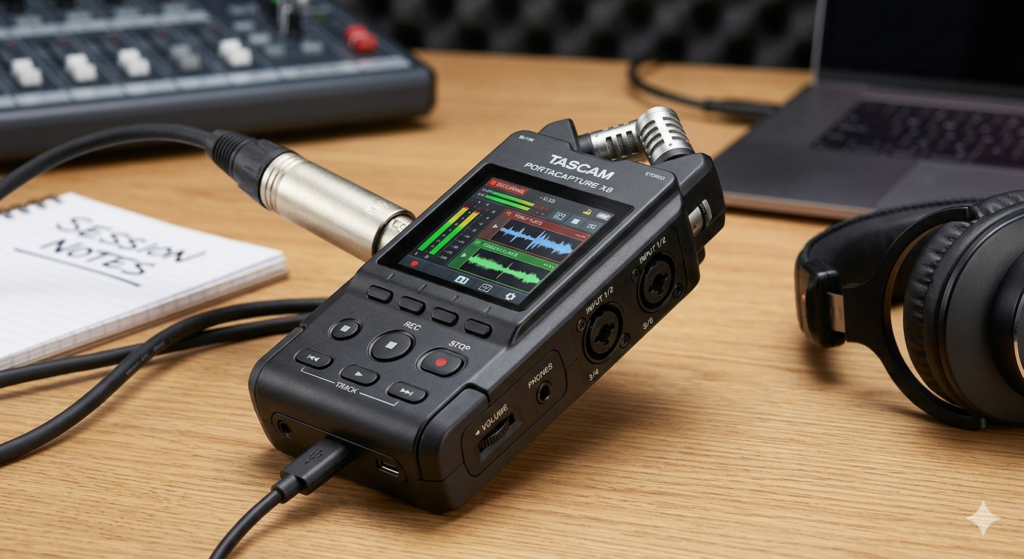
The X8 remains the leader for professional historians. Its 3.5-inch color touchscreen makes navigation intuitive, and it features four XLR/TRS inputs with high-quality preamps. Most importantly, its 32-bit float capability means you can focus on the person you’re interviewing, not the levels on the screen.
- The Modular Hero: Zoom H6essential
Price: Approximately $295
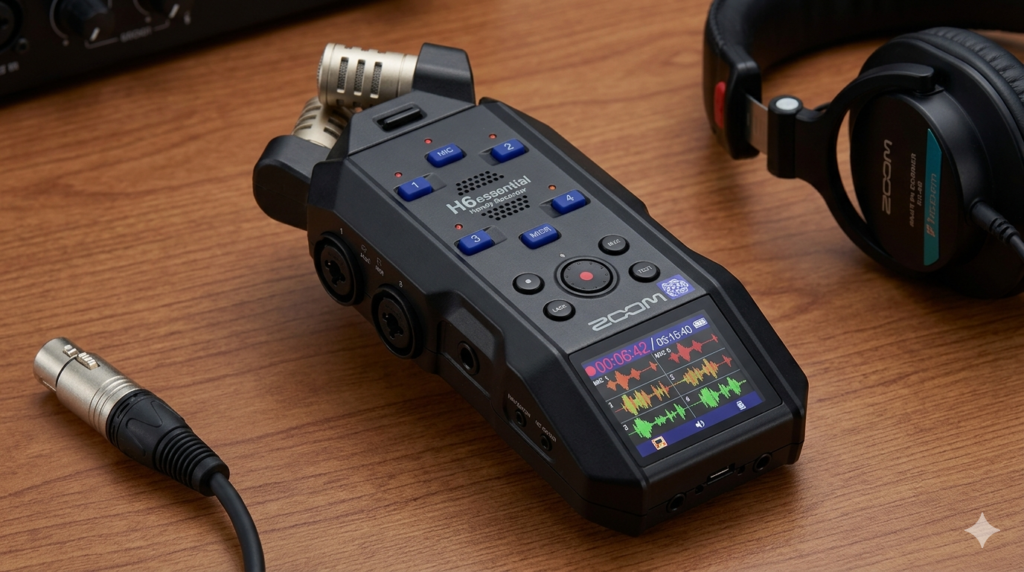
If you want versatility on a budget, the H6essential is the way to go. It offers 32-bit float recording and a modular system that allows you to swap out microphone capsules depending on your environment. It’s significantly lighter than the Tascam, making it a favorite for long travel days.
The Best Microphones for Clarity
While built-in microphones are better than ever, an external mic-and according to my research, these are the top two microphones I will pick among an array of microphones out there available- provides the intimacy and depth that oral history deserves.
- The Hybrid Choice: Shure MV7+
Price: Approximately $269
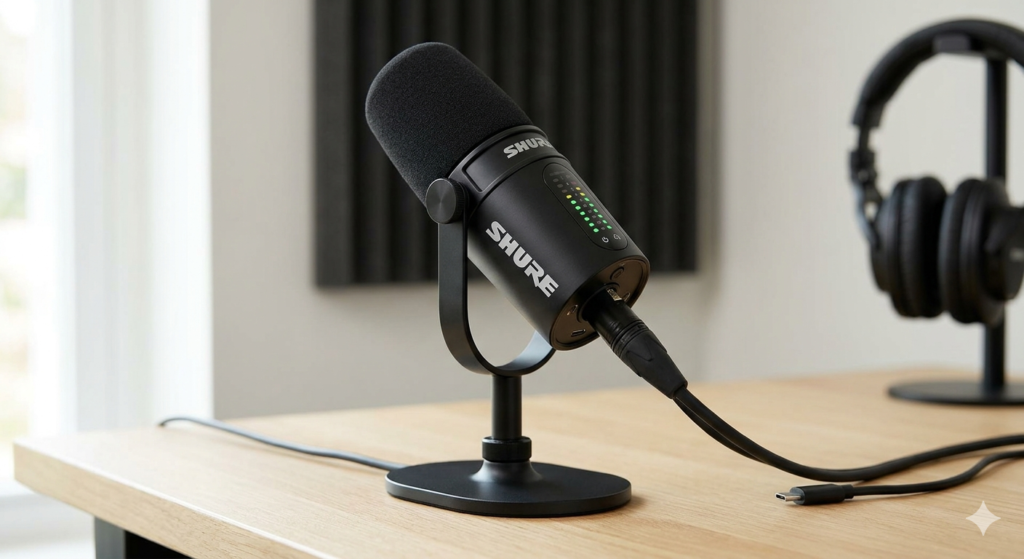
Perfect for historians who do a mix of in-person and remote interviews. It offers both USB and XLR connectivity. Its “Auto Level Mode” and real-time denoiser ensure that the voice remains the star of the show, even in less-than-perfect acoustic environments.
- The Wireless Wonder: Rode Wireless PRO
Price: Approximately $450
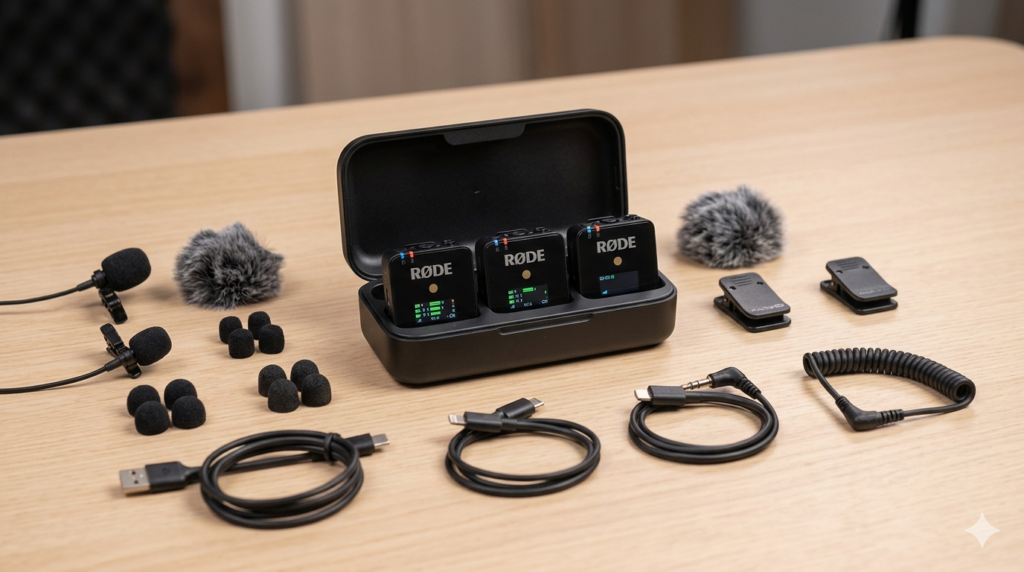
For on-the-go interviews or “walking tours” of a narrator’s neighborhood, this system is unbeatable. It includes two clip-on transmitters that feature internal 32-bit float backup recording. Even if your wireless connection drops, your audio is safe and unclipped inside the mic itself.
Why Quality Recording Matters
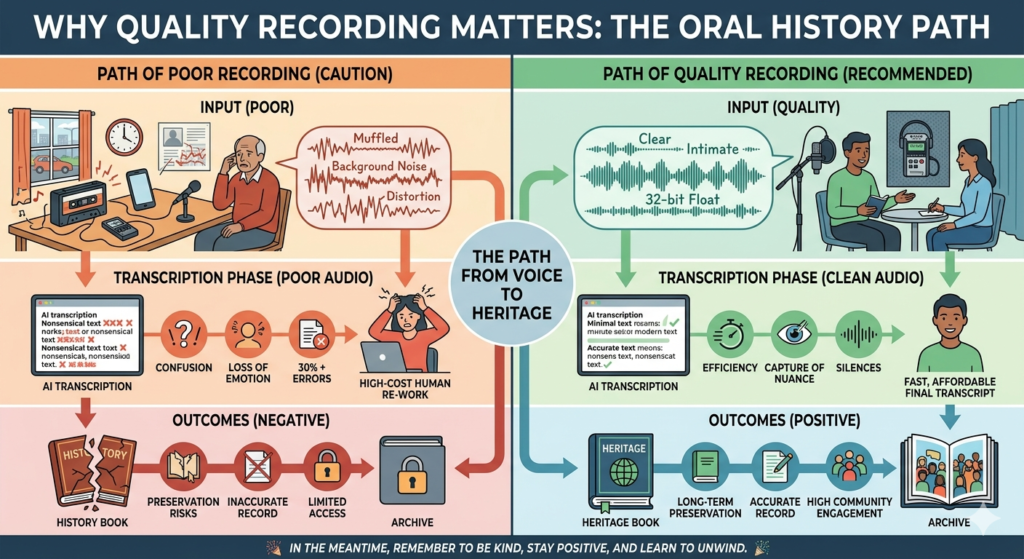
High-quality audio isn’t just about the listening experience; it’s the foundation for accurate documentation. When your audio is crisp, the transcription process becomes a seamless reflection of the truth, capturing every hesitation, laugh, and meaningful silence.
To all oral historians dedicated to this vital work: once you’ve captured those priceless stories, please reach out with all your transcription requests to Jofranlu.com. We are here to help you turn those voices into lasting legacies with the care and precision they deserve.
In the meantime, remember to be kind, stay positive, and learn to unwind. Your work is important, but so is your peace of mind.
We Want to Hear From You!

Do you have experience with any of the devices mentioned above? Whether you’ve been a long-time Tascam loyalist or you’ve recently switched to a wireless setup like the Rode PRO, we’d love to hear your thoughts. Please share your comments below—what would you recommend about these devices, or is there another piece of gear you swear by for oral history projects?
If you found this guide helpful, be sure to check out our previous post: The Ethical Will: Capturing Values, Not Just Assets, Through Oral History.