
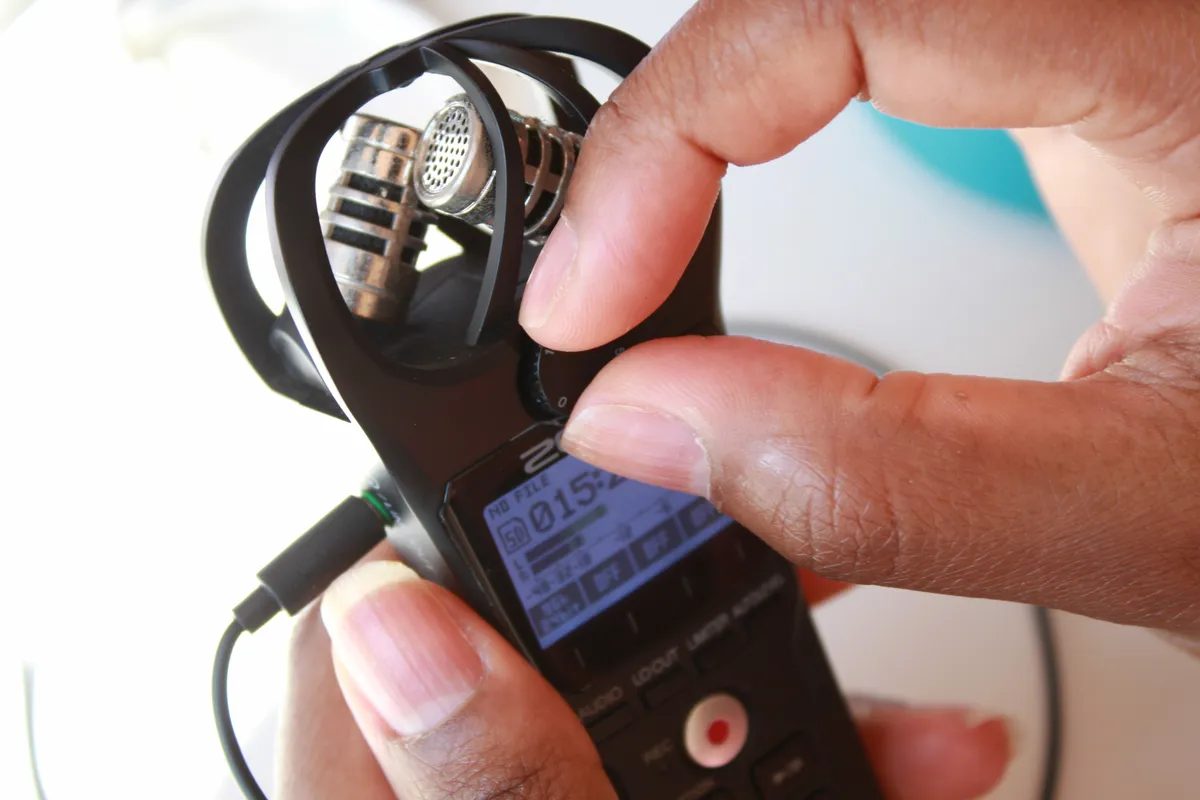
For years, the Zoom H1n has been a staple in the gear bags of oral historians, students, and independent researchers. Its compact size, intuitive layout, and reliable audio quality made it the “go-to” entry-level recorder. Recently, Zoom officially moved the H1n to their “discontinued” list, marking the end of a long-running chapter for the device.
If you’ve been relying on the H1n for your projects, you might be wondering: What happens now?
Why Was It Discontinued?

Zoom’s decision to sunset the H1n is part of a broader evolution in audio technology. Manufacturers are shifting focus toward the “Essential” series, which incorporates 32-bit float recording.
In the past, setting your input levels manually was a critical skill; if your subject spoke too softly, you’d have a quiet recording, and if they suddenly laughed or shouted, you risked “clipping” (distorted, unusable audio). 32-bit float technology effectively eliminates the need to manually set those levels, as it captures such a vast dynamic range that audio cannot “clip,” even if the source is unexpectedly loud. The H1n simply lacked this modern “safety net” that professional-grade field recording now demands.
What Does This Mean for You?

If you own an H1n, there is no need to panic. It remains a perfectly capable tool for capturing clear, archival-quality interviews. As long as you follow good recording techniques, your H1n will continue to serve you well. However, as parts become harder to find, it is wise to start planning for your next upgrade.
The Best Replacements for the Oral Historian
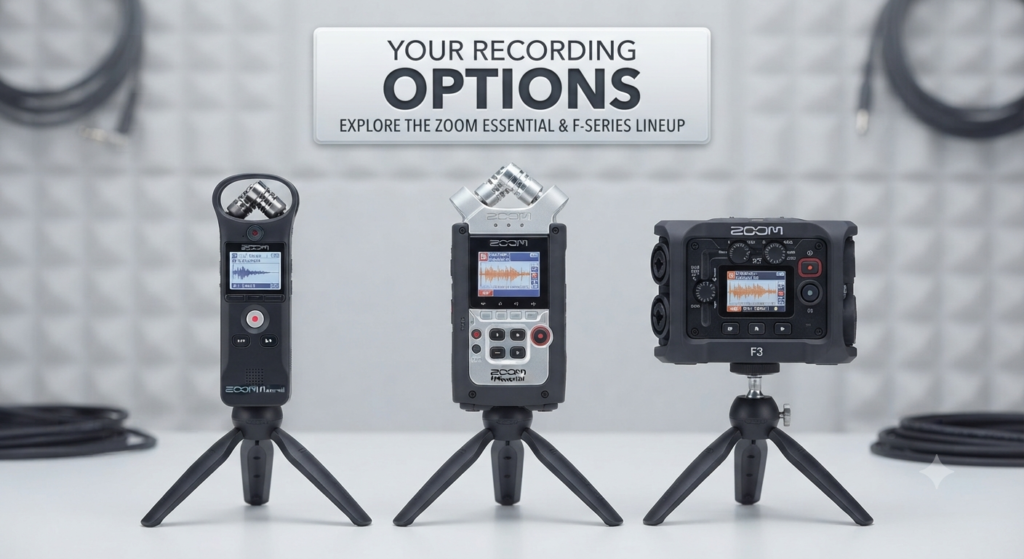
If you are looking to upgrade, here are the most natural successors that maintain the ease-of-use of the H1n while offering better technology:
1. The Zoom H1essential (The Direct Successor)
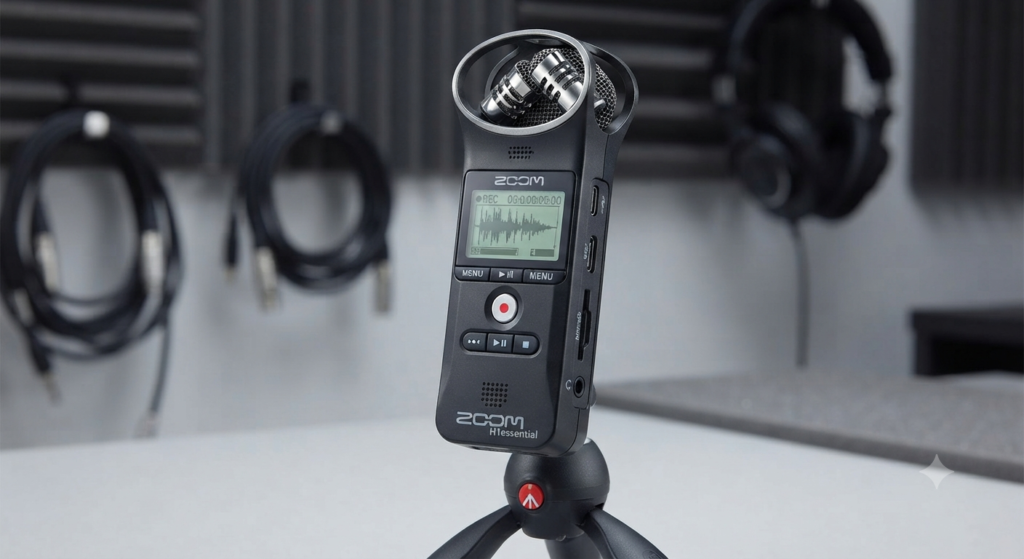
This is the true heir to the H1n. It feels very similar but adds the game-changing 32-bit float recording.
Approx. Amazon Price: $109.99
Why it’s better: You’ll never have to worry about a “bad level” again. It also includes built-in accessibility features (like voice guidance), making it a highly inclusive tool for community history projects.
2. The Zoom H4essential
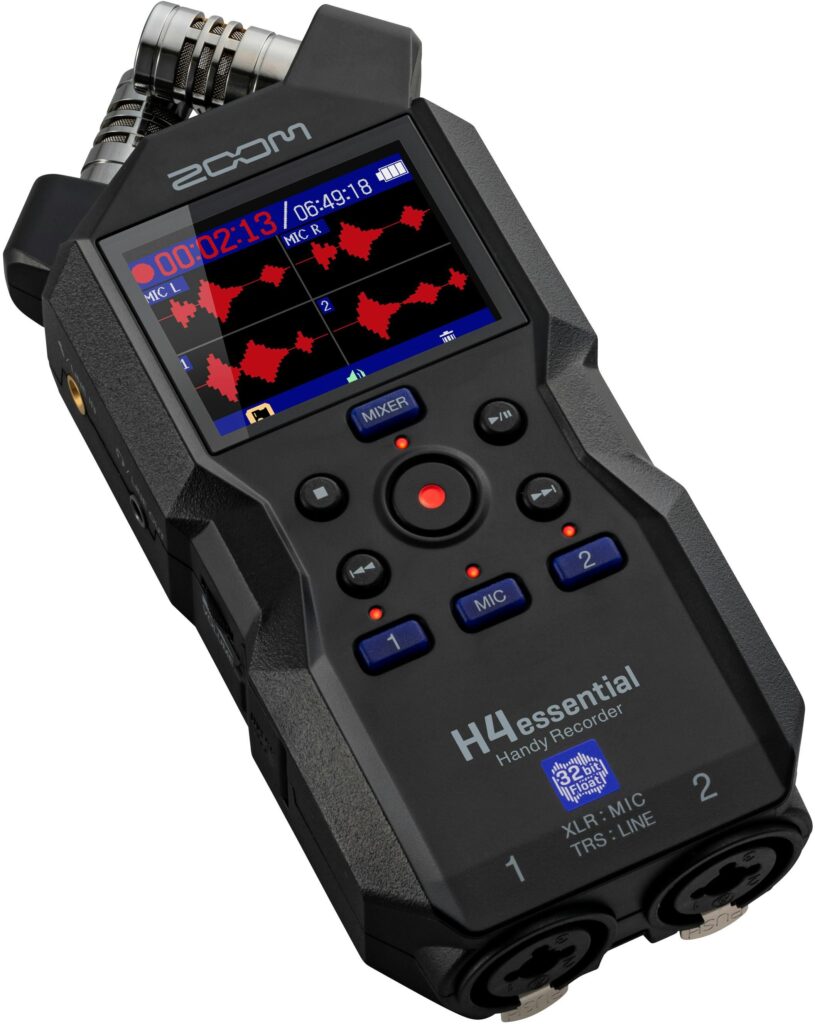
If you think your projects might eventually require external microphones, the H4essential is a smart leap forward.
Approx. Amazon Price: $219.99
Why it’s better: It features two XLR/TRS combo inputs (a “universal port” that accepts both XLR cables—the 3-pin standard for professional microphones—and TRS plugs—the 1/4-inch jack used for instruments or specialized gear). This allows you to plug in high-quality professional microphones, giving you much more control over the sound quality in challenging environments.
3. Zoom F3 (The Professional “Invisible” Recorder)
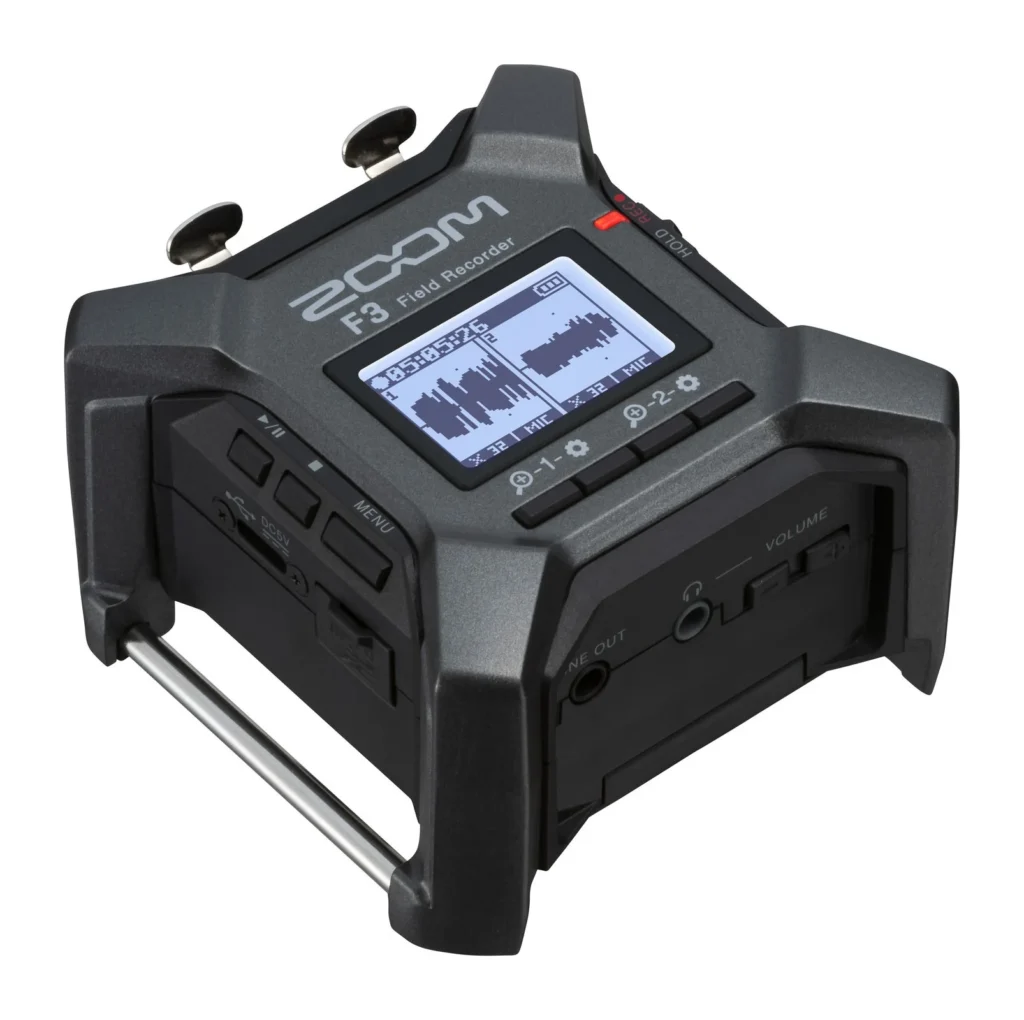
If you want to move away from handheld recorders and toward a “set it and forget it” professional workflow, the F3 is a fantastic choice.
Approx. Amazon Price: $329.99
Why it’s better: It is designed specifically for 32-bit float recording with professional-grade preamps. It has no built-in microphones, so you pair it with your own external mics, resulting in audio quality that is a significant step up for high-fidelity archiving.
A Final Thought on Preserving History

Regardless of which recorder you choose, the gear is only as good as the care you put into your files. Once you finish that recording, the most important work begins: transcription.
Whether you are using the latest 32-bit float technology or a trusty older unit, the value of your interview lies in the words you preserve. If you have hours of audio sitting on your SD card, don’t let it gather digital dust.
Click here to request a free trial of my transcription services and let me help you turn those raw interviews into accurate, searchable, and lasting documents while you focus on your next research interview.