

Oral history is a beautiful, deeply human art form. It breathes life into the past, capturing the trembles, laughs, and quiet pauses of people sharing their lived experiences. But because oral history often digs beneath the surface of official textbooks, it frequently uncovers deeply sensitive, private, or vulnerable stories.
Whether a narrator is sharing a family’s private struggles, exposing sensitive corporate histories, or speaking out about a painful community event, one question always hangs in the air: How do we protect these stories before they are ready to be shared with the world?
This is where Non-Disclosure Agreements (NDAs) and strict data storage protocols come into play. They aren’t just legal paperwork—they are the ultimate tool for building trust.
The Vulnerability of the “Raw” Recording
When an oral history interview finishes, you have a raw audio or video file. This raw recording is incredibly vulnerable. It hasn’t been edited, it hasn’t been reviewed by the narrator for accuracy, and it might contain names, dates, or secrets that could cause real-world harm if leaked.
Before that recording can become a structured public archive or a book chapter, it usually has to go through a crucial middleman: the transcriptionist.
1. The Transcriptionist’s Role: Why a Tight NDA is Non-Negotiable
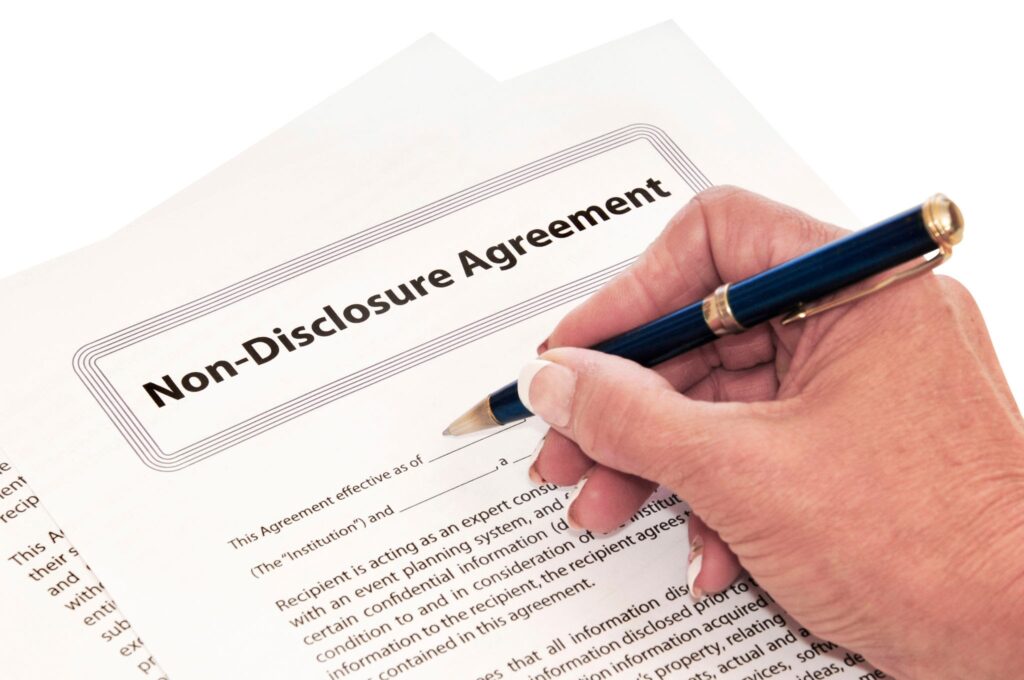
A professional transcriptionist doesn’t just type out words; they listen to the heartbeat of the interview. They hear everything—including the off-the-record remarks, the slips of the tongue, and the highly confidential details.
Because a third-party professional is handling this raw data, a specialized oral history NDA is mandatory. A solid NDA ensures that:
- Total Confidentiality: The transcriptionist is legally bound never to speak about, share, or leak a single sentence of the audio to anyone outside the project.
- Zero Ownership: The transcriptionist explicitly acknowledges that they have no rights to the stories being told.
- The “Erase” Clause: Once the transcript is finalized, approved, and delivered, the transcriptionist must securely delete all local audio and text files from their machine.
The Trust Factor: When a narrator knows that the person typing their words is bound by legal confidentiality, they speak more freely, leading to a much richer, more authentic historical record.
2. Safe Keeping: The Stakes of Digital Storage
Transcribing the story securely is only half the battle. Once you have the text files and the audio recordings, where do they live?
Storing oral history isn’t like saving a grocery list on your desktop. If a cloud server is hacked or a hard drive is lost, a narrator’s privacy can be permanently compromised.
When planning your storage pipeline, keep these best practices in mind:
Encryption at Rest and in Transit: Use storage solutions where files are encrypted both while they are traveling across the internet and while they are sitting on a server.
Deep Dive: For high-stakes interviews—such as those involving whistleblowers, political activists, or deeply personal family trauma—relying on basic file safety isn’t enough. To understand how to actively verify these encryption standards (like spotting AES-256 or checking for enterprise-grade cloud backing), read our detailed guide, Confidentiality in the Cloud Age: Ensuring Data Privacy for High-Stakes Interviews.
Access Control: Not everyone on a project team needs access to the raw files. Limit access strictly to essential team members using secure, unique user permissions.
The “Time Capsule” (Embargo) Management: Many oral history projects use embargoes—agreements where a transcript is safely locked away in digital storage and cannot be released to the public for 5, 10, or even 50 years (often until after a narrator passes away). Your storage system must be secure enough to withstand decades of privacy.
The Bottom Line
| Phase | Core Protection Tool | What it Achieves |
| Transcription | Strict NDA | Safeguards raw, unedited speech from leaks while a third party processes the files. |
| Storage | Encrypted Cloud / Hard Drives | Protects the finalized history from data breaches or premature public exposure. |
Ultimately, oral history cannot exist without trust. By wrapping your projects in airtight Non-Disclosure Agreements and prioritizing rock-solid digital storage, you honor the bravery of your narrators. You tell them: Your story is safe with me until you are ready for the world to hear it.